
How it works
USB-C is the plug. Alt Mode is a pin remap that can send a non-USB protocol down the SuperSpeed pairs. DisplayPort Alt Mode (the VESA spec) is the one you actually meet: the host stops using those lanes as USB 3.x data and drives DisplayPort instead. A USB-C to DisplayPort cable is a straight pin-out. A USB-C to HDMI cable is almost always DP Alt Mode plus a DP-to-HDMI converter chip in the HDMI end. HDMI Alt Mode exists on paper and almost never ships.
Power is a separate conversation on CC and VBUS. That is why one USB-C cable can show a monitor and still charge the laptop if both the port and the cable support USB-PD plus Alt Mode. A charge-only cable, or a phone or car port with no SuperSpeed pairs wired, has nothing to remap. The plug fits. The screen stays dark.
USB4 and Thunderbolt tunnel DisplayPort inside their own fabric rather than the classic USB 3.2-plus-Alt-Mode split. Listings still say DP Alt Mode. The reader-facing test is the same: does this USB-C port output video, and at what resolution. DisplayLink is the other path: software compression over USB data, not a pin remap, which is how some docks drive extra screens from a port that has no Alt Mode.
When it matters
It matters the moment you buy a USB-C to HDMI cable, a hub with an HDMI jack, or a USB-C monitor, because the slowest of host, cable, and display wins, and a charge-only port is a zero. Check the laptop spec sheet for DisplayPort Alt Mode, DP 1.4, or USB-C with video. Thunderbolt 3 and Thunderbolt 4 ports do video. Many Android charge ports and USB-A dongles do not.
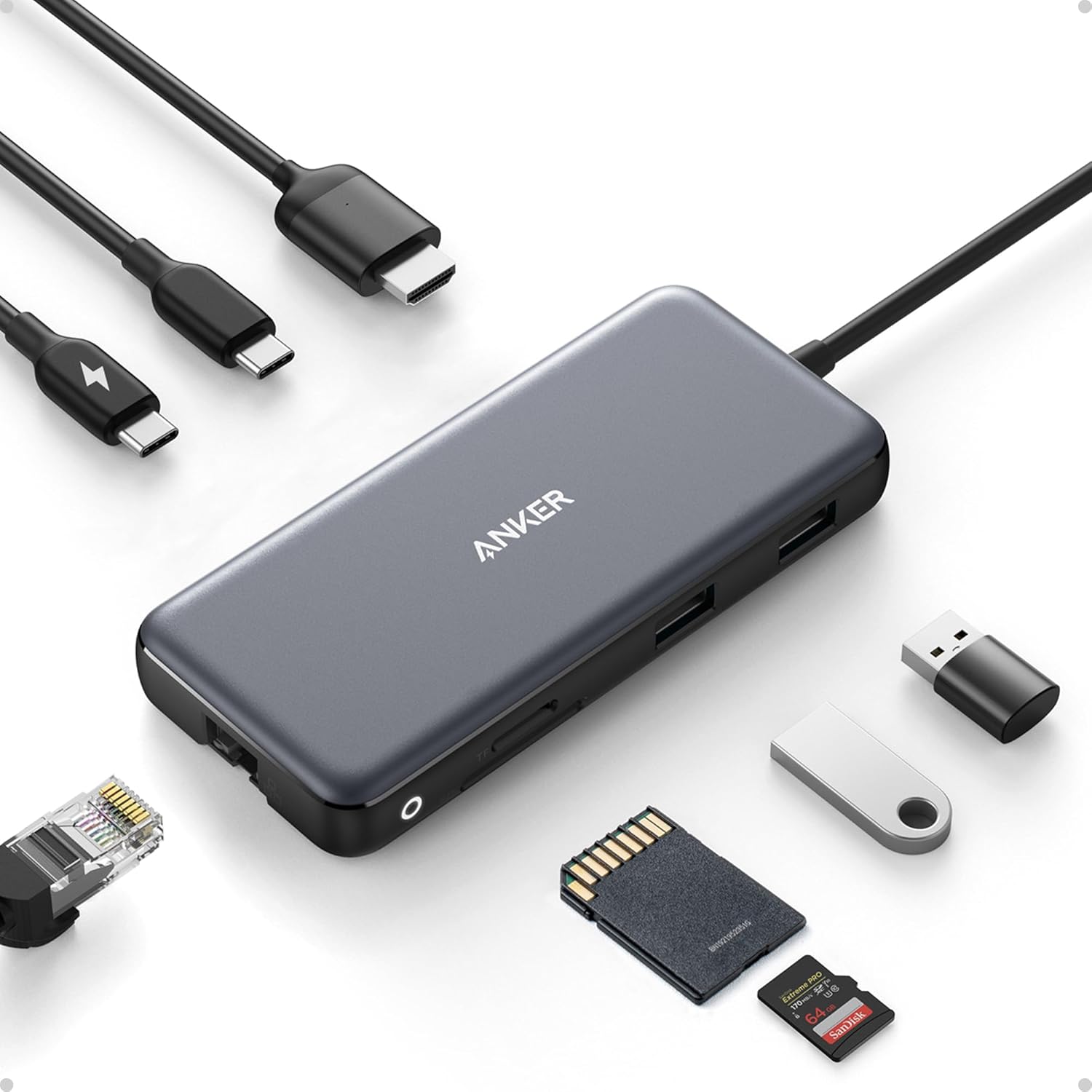
A compact hub is USB 3.x data plus one Alt Mode HDMI. Fine for a hotel TV or a second 4K30 or 4K60 screen. It is not a USB4 dock with a router and MST for several 4K60 monitors. For that split, read USB-C Hub vs. Docking Station. High-speed video cables are usually e-Marked so they can advertise more than USB 2.0.
Related products
Three catalog items that actually speak DP Alt Mode: two USB-C to HDMI cables that do 4K60, and a travel hub whose HDMI jack is Alt Mode from the host.
The uni USB-C to HDMI cable (6 ft, 4K60) is a one-piece DP Alt Mode run with a converter at the HDMI end. View on Amazon when the laptop port already does DisplayPort Alt Mode and you want 4K60 into a TV or monitor without a dock. It does nothing on a charge-only USB-C port.
The Anker USB-C to HDMI cable (4K60, 6 ft) is the same job in a braided jacket: DP Alt Mode in, HDMI 4K60 out, Thunderbolt 3 and 4 hosts included. View on Amazon when you want the same pin-remap cable with a longer review trail. Handshake misses on odd older TVs are the common complaint.
The Anker 341 USB-C hub (7-in-1) takes DP Alt Mode from the laptop and splits out HDMI (4K30, not 60), USB-A, SD, and PD passthrough. View on Amazon when the job is one travel cable for a hotel TV plus a thumb drive, not a 4K60 desk monitor.
Read next
For the hub-versus-dock decision, read USB-C Hub vs. Docking Station: Which Do You Actually Need?. For software extra screens when the port has no Alt Mode, see DisplayLink. For the power handshake that can share the same plug, see USB-PD. For docks that tunnel video inside a faster fabric, see USB4 and Thunderbolt. For the chip that lets a USB-C cable advertise more than USB 2.0, see E-Marker.