
How it works
HDCP (High-bandwidth Digital Content Protection) is a DRM handshake on HDMI and DisplayPort: the source and sink exchange keys, and if either end fails the check the video path blanks or drops to a limited mode instead of letting you copy a protected stream. Blu-ray players, streaming sticks, game consoles, and some GPUs enable HDCP when the content license asks for it. The TV, AVR, or capture device must answer with a compatible HDCP version (commonly 1.4 for older 1080p paths, 2.2/2.3 for 4K UHD Blu-ray and many streaming apps).
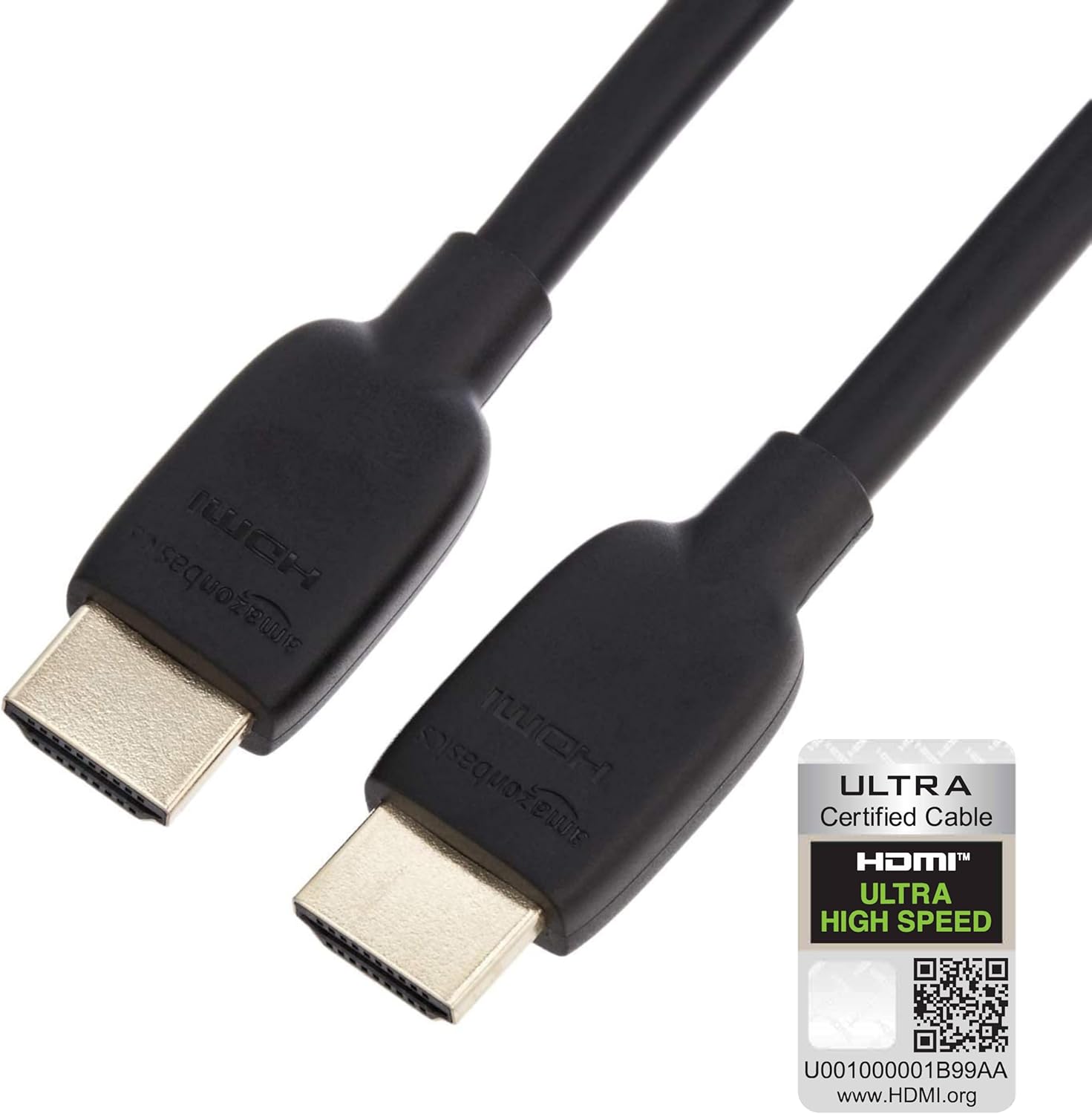
Think of it as a padlock on the cable. The movie player will only open the lock if every link in the chain (cable, splitter, soundbar, capture dongle) presents a key it trusts. A cheap splitter that only mirrors pixels, a headless dummy plug that spoofs EDID, or a USB capture card that is not an HDCP sink will often show black frames, “HDCP error,” or a frozen handshake when you feed it Netflix, Disney+, or a UHD disc. The cable itself is not “HDCP certified” in the way marketing sometimes claims; HDCP is negotiated by chips at each end, and a solid High Speed or Ultra High Speed HDMI run just has to carry the encrypted bits without falling apart.
HDCP is separate from HDMI 2.1 bandwidth features (4K120, VRR, ALLM). You can have plenty of bandwidth and still fail HDCP, or pass HDCP 1.4 on an older cable while 4K60 HDR still needs HDCP 2.2 on both ends.
When it matters
It matters when a capture card, matrix, AVR, or dummy-plug setup goes black only on protected apps, not on a camera’s clean HDMI or a PC desktop. For DSLR/mirrorless-as-webcam kits, feed the capture card from the camera’s clean HDMI (overlay off), not from a Fire Stick or Blu-ray deck: that path is usually unprotected camera output, so HDCP never enters the picture. See Turn a DSLR or Mirrorless Camera Into a Webcam.
Skip “HDCP stripper” gadgets sold to bypass studio DRM; that use is legally and ethically off-limits here. Prefer fixing the chain: match HDCP version on TV and source, simplify splitters, or keep capture on non-protected camera/PC outputs. Dummy plugs for headless Macs are about EDID, not defeating HDCP on movie streams.
Related products
A USB capture dongle that often meets HDCP on protected HDMI, and a simple High Speed HDMI pack for the camera-to-dongle run that avoids that handshake entirely.
The Elgato Cam Link 4K is an HDMI-to-USB capture dongle used as a UVC webcam. View on Amazon when you want clean camera HDMI into Zoom or OBS. Protected streaming sticks and Blu-ray decks will often black-screen on Cam Link because it is not an HDCP sink for those licenses; use a camera or PC desktop source instead.
The Cable Matters 3-pack High Speed HDMI cable (3 ft) is a short HDMI 2.0-class run for camera-to-capture or PC-to-monitor links. View on Amazon when you need a reliable short cable for an unprotected camera path; HDCP still depends on the endpoints, not the jacket branding.
Read next
For the capture kit that avoids protected sources, read Turn a DSLR or Mirrorless Camera Into a Webcam: Everything You Need. For HDMI versions and bandwidth, see What Is HDMI 2.1, and When Do You Need It?. For EDID dummy plugs (a different problem than HDCP), see BetterDisplay and Dummy HDMI Plugs.