
How it works
HDMI ARC (Audio Return Channel) lets a TV push its own audio—built-in apps, antenna, or an HDMI source switched on the TV—back to a soundbar or AV receiver over one HDMI cable. The TV’s ARC-labeled HDMI OUT (often HDMI 2 or HDMI eARC/ARC) talks to the soundbar’s HDMI ARC/IN. Video can still flow from a stick or console into the TV on other ports; ARC is the reverse audio path from the TV out to the speakers.
Plain ARC (HDMI 1.4-era) is usually limited to compressed surround such as Dolby Digital / DTS and stereo PCM. eARC (enhanced ARC, part of HDMI 2.1) rides the same idea on a higher-bandwidth return path so you can pass lossless / object formats (Dolby TrueHD, Atmos over eARC, high-bitrate PCM) when both ends advertise eARC. Many modern bars label the jack eARC/ARC and fall back to ARC when the TV is ARC-only.
You still need a working HDCP path for protected 4K apps on the stick-to-TV HDMI run; ARC does not replace that handshake. Bandwidth for 4K HDR video into the TV is a separate HDMI link—see What Is HDMI 2.1, and When Do You Need It?. ARC itself is about the return audio lane, not about inventing HDR.
CEC (Consumer Electronics Control) often rides along so the soundbar powers with the TV and the TV remote can nudge volume. CEC quirks are brand-specific; if volume is flaky, check both menus for “HDMI-CEC / Anynet+ / BRAVIA Sync / Simplink” style toggles and that you used the ARC-marked ports on both ends.
When it matters
It matters when the TV is the app hub (Fire TV / Google TV / smart apps) or the switcher for several HDMI sources, and you want the bar to play whatever the TV is showing without a second optical (TOSLINK) cable. Prefer ARC/eARC over optical when you care about Atmos or multi-channel from apps that only expose those formats on HDMI return. Stick with optical only if an older TV has no ARC jack or CEC fights you every reboot.
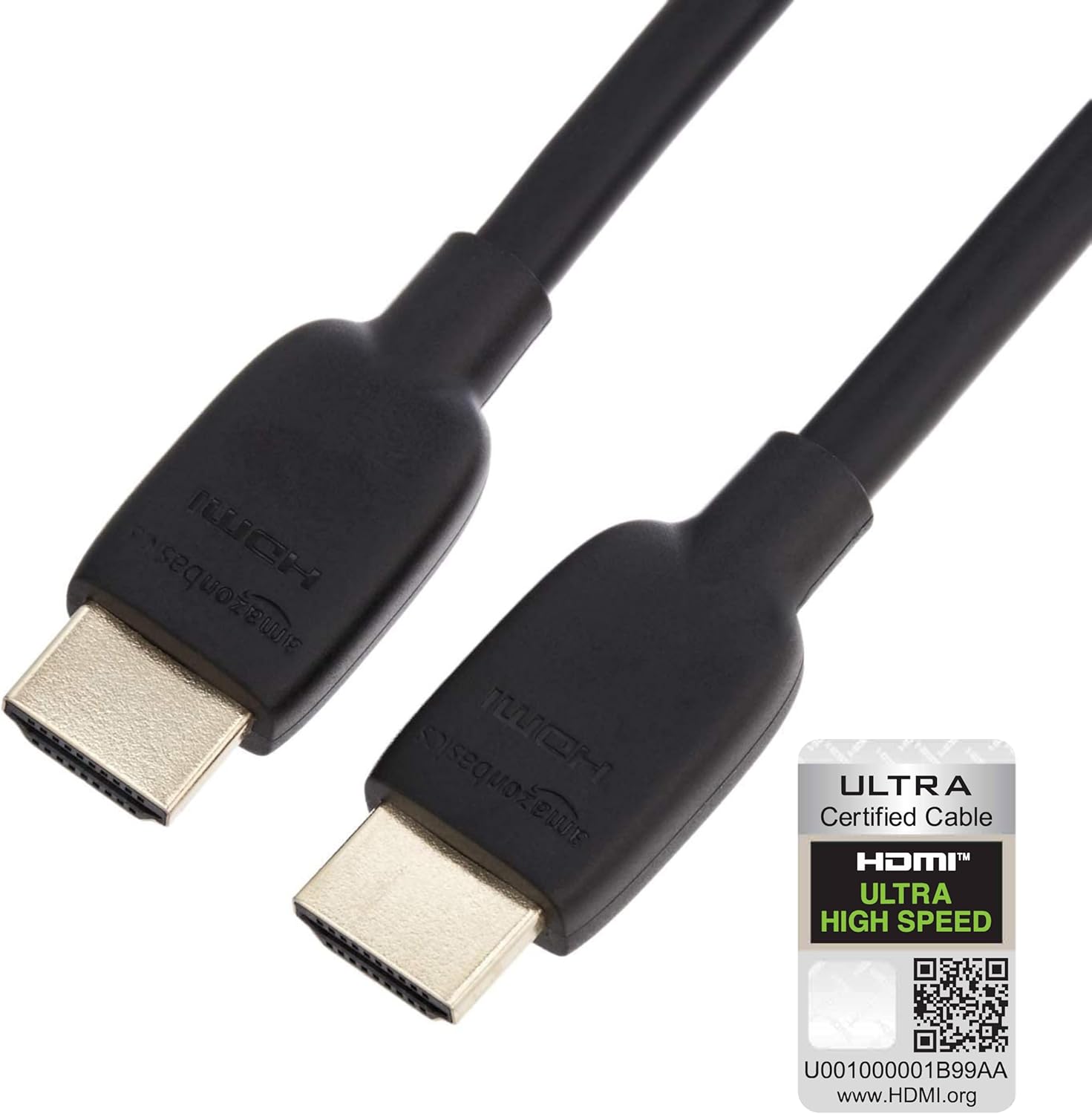
Skip obsessing over Ultra High Speed branding for a pure ARC-only jump from TV to bar if both ends are ARC (not eARC) and the run is short—a known-good High Speed HDMI 2.0 cable is the usual ARC path. Use Ultra High Speed when the same cable must also carry HDMI 2.1 video features on another hop, or when both ends are eARC and you want full eARC headroom.
For streaming stick picks that often sit on a non-ARC HDMI input while the bar owns the ARC jack, see Best Streaming Devices for Your TV.
Related products
A Fire TV Stick that feeds video into a free HDMI input on the TV, and a short High Speed HDMI cable for the TV’s ARC port to the soundbar.
The Amazon Fire TV Stick 4K Max (2nd Gen) plugs into a regular HDMI input on the TV. Apps play on the stick; the TV’s ARC/eARC jack sends that audio (and the TV’s own apps) to the soundbar. View on Amazon when the TV is the switcher and the bar owns ARC.
The Cable Matters 3-Pack High Speed HDMI Cable, 3 ft covers the short TV-to-soundbar ARC hop (plus spare stick runs). High Speed / 18 Gbps class is enough for typical ARC; keep both ends in the ARC-labeled jacks. View on Amazon for a cheap known-good ARC jumper set.
Read next
For HDMI generation and when you need 2.1 for video (separate from ARC), see What Is HDMI 2.1, and When Do You Need It?. For the DRM handshake that can blank protected apps on the stick-to-TV cable, see HDCP. For HDR formats those apps often carry alongside Atmos on eARC, see HDR10. For streaming stick roundups that pair with ARC TVs, see Best Streaming Devices for Your TV.