
How it works
HDR10 is the royalty-free baseline for high dynamic range (HDR) video: 10-bit color, wide Rec.2020 primaries, PQ (SMPTE ST 2084) electro-optical transfer, and a single static metadata block for the whole title. That metadata (MaxCLL / MaxFALL and mastering display luminance) tells the TV or monitor how bright the grade was mastered so the display can tone-map once for the show—not scene by scene. Most consumer panels are marketed around a 1000-nit peak for HDR10; brighter TVs still use the same format and just map differently.
Contrast the cousins:
- HDR10 — open, static metadata, everywhere (UHD Blu-ray, streaming, consoles, PC). If a box only says “HDR,” it almost always means HDR10 at minimum.
- HDR10+ — Samsung-led extension with dynamic metadata that can adjust tone mapping per scene or frame. Needs HDR10+ on both the app/disc and the display (or a sink that understands the dynamic metadata).
- Dolby Vision — proprietary dynamic-metadata HDR (often 12-bit pipeline on the content side). Same idea as HDR10+—better scene-by-scene mapping—but a different license and decoder path. Many sticks and TVs support HDR10 and Dolby Vision; the player picks what the sink advertises.
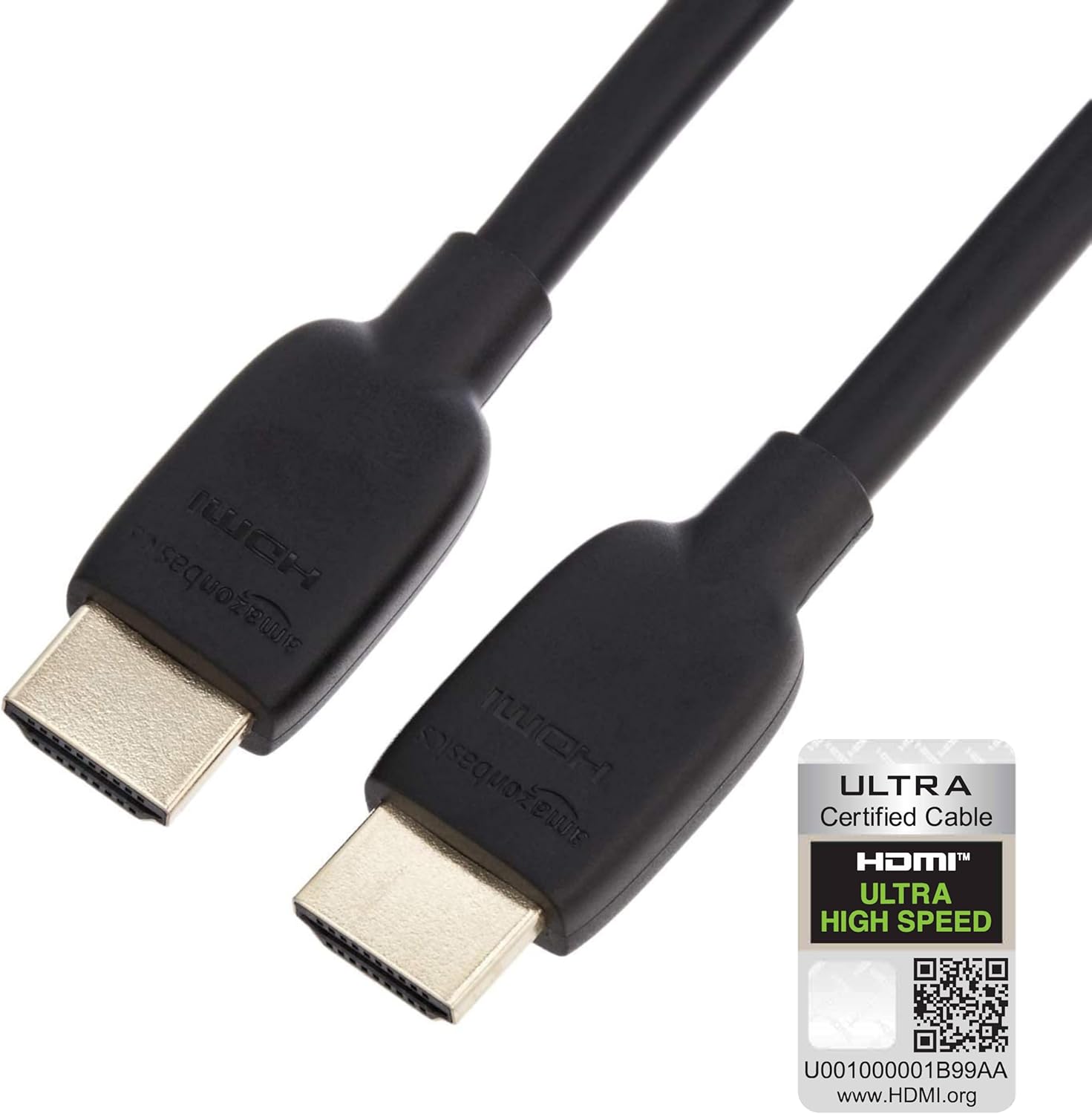
The cable does not “create” HDR10; it carries the HDMI InfoFrames and higher-bandwidth pixel formats. A High Speed HDMI 2.0 path is enough for many 4K60 HDR10 streams; Ultra High Speed HDMI 2.1 is what you want when you also need 4K120, VRR, or other HDMI 2.1 features on the same run. See What Is HDMI 2.1, and When Do You Need It?. HDCP 2.2+ is usually required for protected 4K HDR apps and discs—separate from the HDR format itself.
When it matters
It matters when you are matching a 4K HDR streaming stick, console, or Blu-ray player to a DisplayHDR / HDR10 TV or monitor and want the open baseline that every modern HDR app can fall back to. Prefer HDR10 as the compatibility floor; treat HDR10+ or Dolby Vision as upgrades when both ends list them. Skip obsessing over HDR badges on dim office monitors that only do “HDR400” marketing flashes—they still speak HDR10 metadata, but the highlight pop is modest compared with a bright TV.
For PC Adaptive-Sync paths that also carry HDR over DisplayPort, see DisplayPort. For console HDMI feature stacks that include HDR alongside VRR, see HDMI 2.1 and VRR.
Related products
A DisplayHDR 400 4K monitor that accepts HDR10, a certified Ultra High Speed HDMI cable for the stick-to-display run, and a Fire TV Stick 4K Max that outputs HDR10 (plus HDR10+ and Dolby Vision when the sink allows).
The LG 27UP850-W 27" 4K UHD USB-C Monitor is a VESA DisplayHDR 400 IPS panel—entry certified HDR10 tone mapping with wide DCI-P3 coverage for desk 4K. View on Amazon when you want an HDR10-capable monitor rather than a living-room TV.
The Cable Matters Ultra High Speed HDMI cable (6.6 ft) is certified 48 Gbps HDMI 2.1 for carrying 4K HDR10 (and higher HDMI 2.1 modes) between stick/console and display. View on Amazon when the HDR path is HDMI.
The Amazon Fire TV Stick 4K Max (2nd Gen) streams 4K with HDR10, HDR10+, and Dolby Vision depending on the app and TV. View on Amazon when you need a compact source that always has HDR10 as the fallback.
Read next
For HDMI generation and bandwidth that often shares the same cable as HDR10, see What Is HDMI 2.1, and When Do You Need It?. For variable refresh on gaming HDR paths, see VRR. For the DRM handshake that can blank protected 4K HDR apps, see HDCP. For the PC plug that also carries HDR timing, see DisplayPort.