
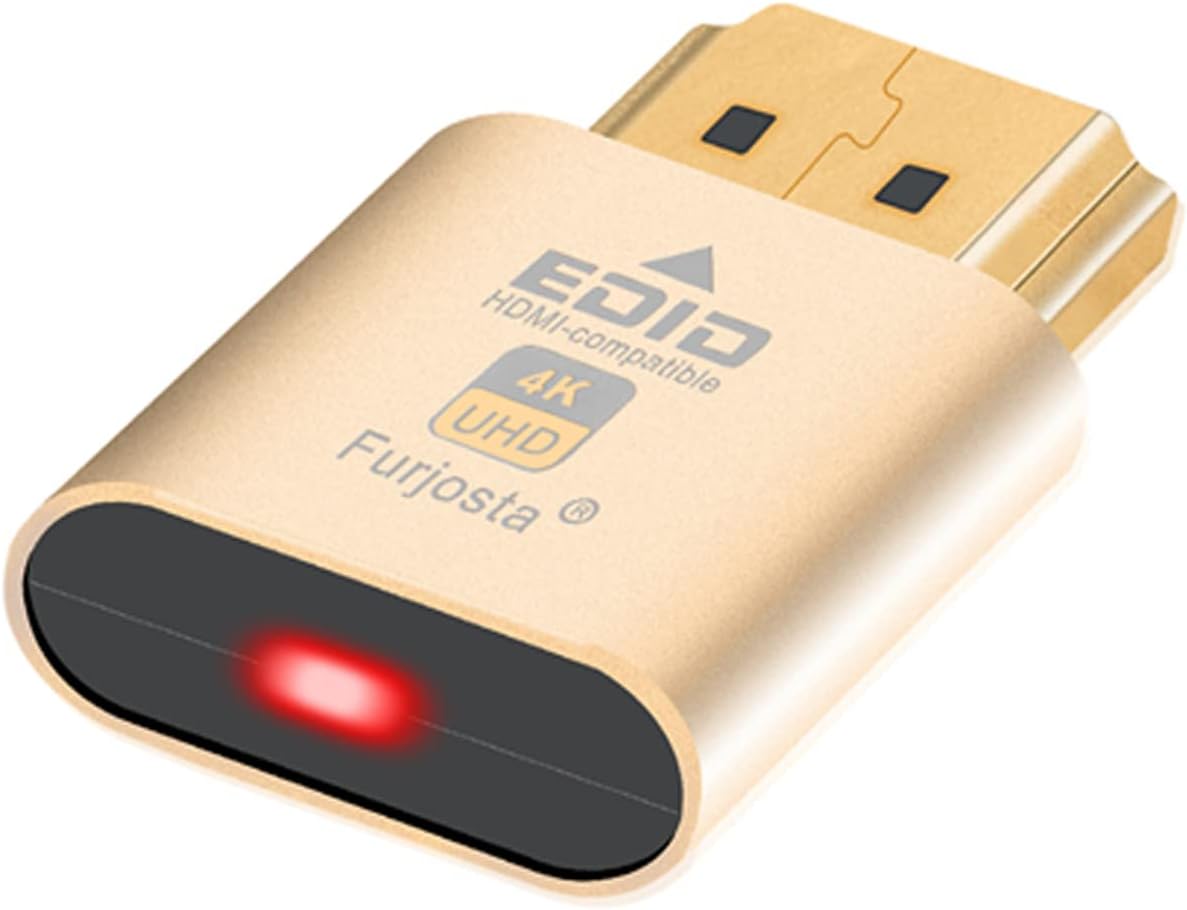
Furjosta
HDMI Dummy Plug EDID Emulator 4K60 (Fit Headless)
4.6The classic fix when Screen Sharing or VNC lands on a tiny desktop because no monitor EDID is present.
Why this one → $8
checked Aug 2026 View on Amazon
Standout products from the articles, the ones the write-ups ranked highest in each hub.
Disclosure: When you buy through links on Tech From Alex we may earn an affiliate commission, at no extra cost to you. As an Amazon Associate, Tech From Alex earns from qualifying purchases. Commissions never shape our verdicts. We review the good and the bad, and we say so when something isn't worth your money.
Furjosta
The classic fix when Screen Sharing or VNC lands on a tiny desktop because no monitor EDID is present.
Why this one →
Twelve South
Vertical Mac stand designed for closed-clamshell desktop use.
Why this one →
EVanlak
Same EDID trick as HDMI dummies, for machines whose only free display socket is DisplayPort.
Why this one →
ORICO

UGREEN
The default cheap NVMe USB-C case when the port is 10Gbps and you already have a spare stick.
Why this one →
ORICO
At roughly $22 street price it undercuts the Sabrent dock while still covering the same 22TB ceiling and SMART pass-through a burn-in scan needs, and the bundled USB-C cable is a real convenience on newer machines. The 'frequently returned item' flag and noise-under-load complaints are worth factoring in if you're running scans somewhere you'll be sitting near for hours.
Why this one →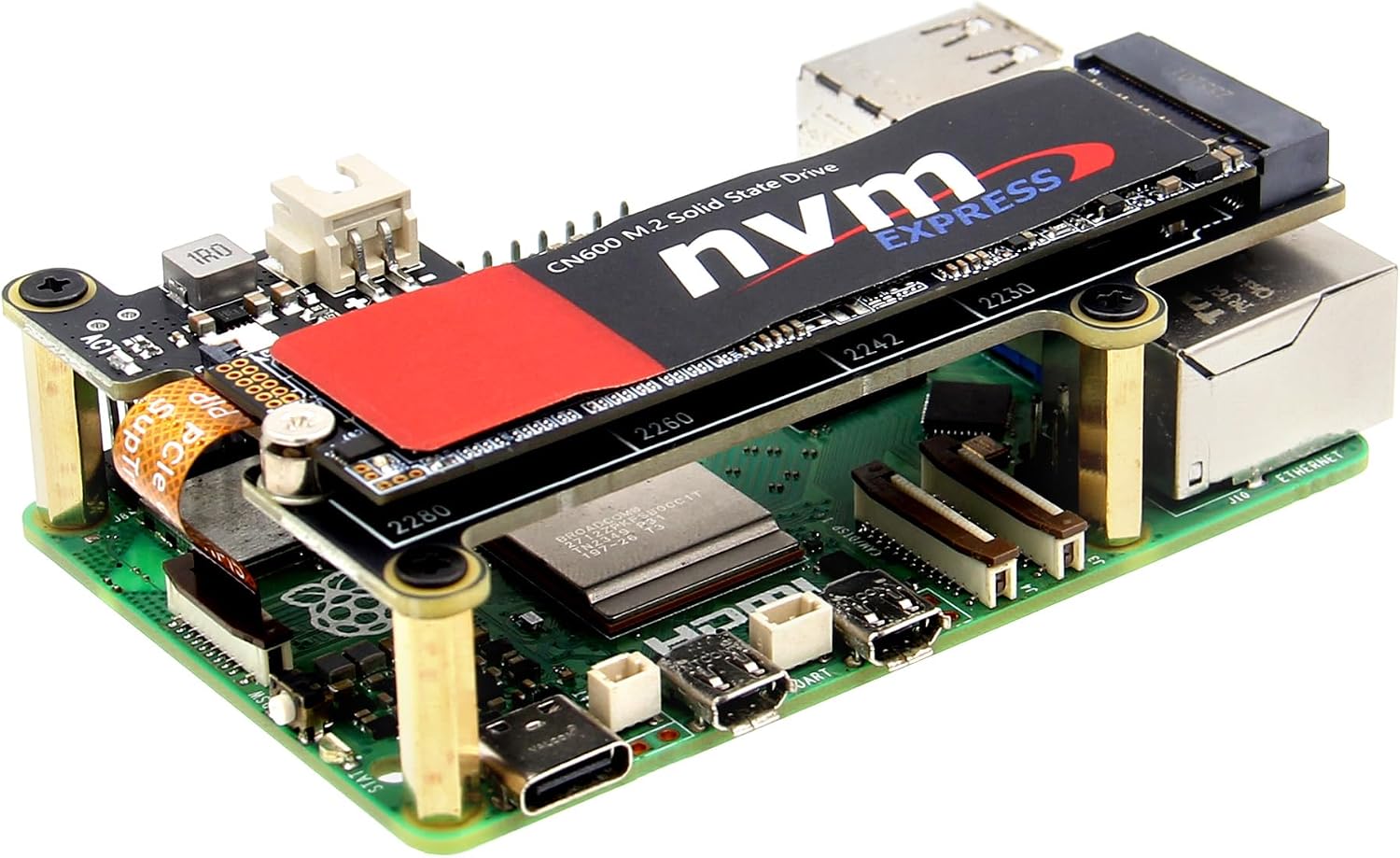
Geekworm
Best widely available Pi 5 NVMe HAT upgrade path from verified Amazon US listing.
Why this one →
uni
This is the adapter piece most people get wrong: with roughly 45,000 ratings it is the proven way to turn a USB-C port into a genuine 4K60 HDMI output for the near TV, or to feed the OREI transmitter from a USB-C-only laptop. Verify your port does DP Alt Mode first, which is the number-one complaint in negative reviews.
Why this one →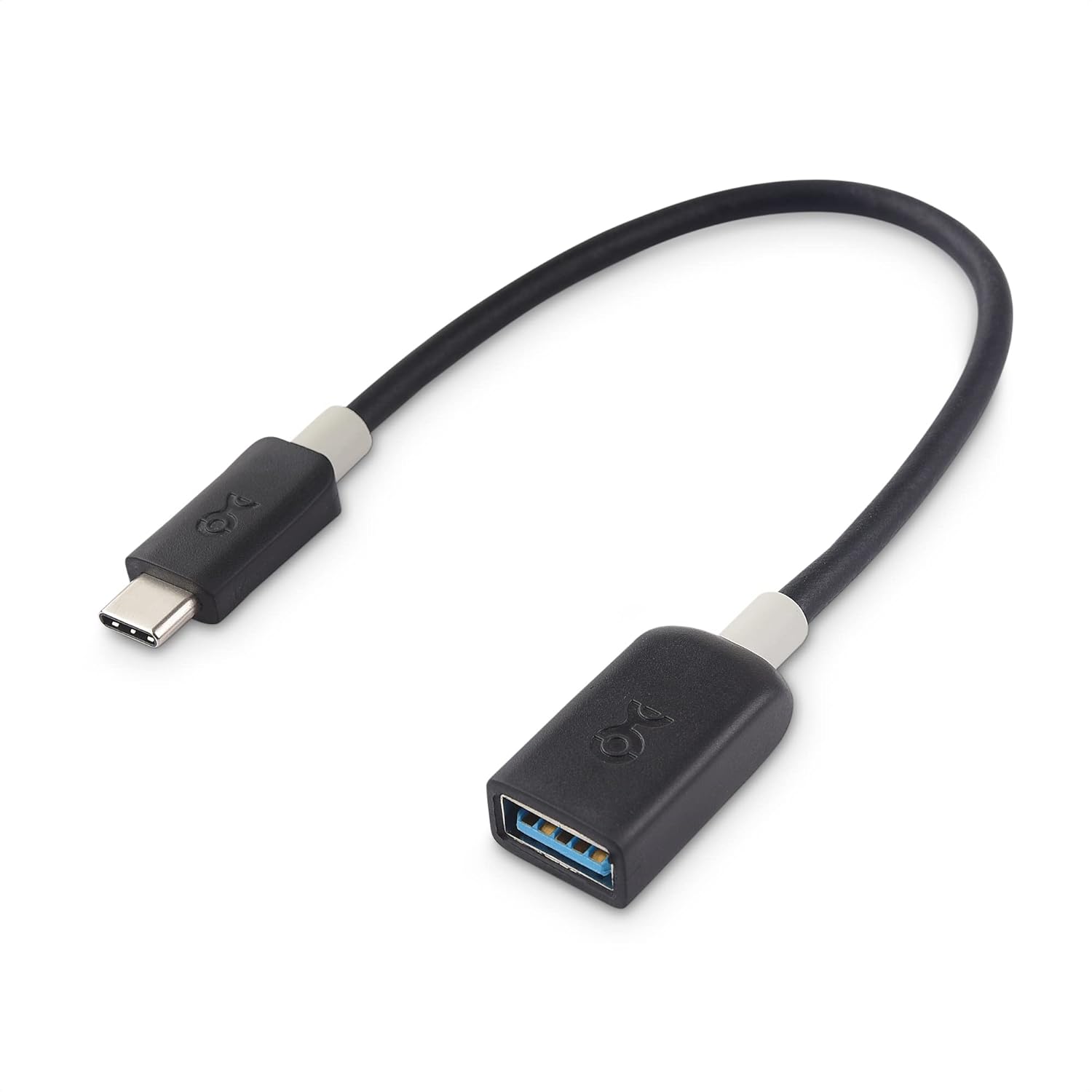
Cable Matters
Cam Link is USB-A. This 5 Gbps Cable Matters adapter is the USB-C path that still feeds the dongle enough bandwidth.
Why this one →
UGREEN
Fine for slides and light USB expansion when 4K30 is acceptable and Ethernet is not required.
Why this one →
UGREEN
Hits the Ethernet + 4K60 combo under $30 when card slots are optional.
Why this one →
VIXLW
High-volume budget UVC stick when Cam Link pricing is not justified.
Why this one →
XIIXMASK
Budget passthrough-first UVC box for console desks.
Why this one →
VELCRO Brand
The workhorse of the routing step: every cable gets its slack folded and wrapped before it goes into the tray, and at roughly ten cents a tie you can redo bundles endlessly, which is exactly why reviewers say these look and work better than zip ties. Buy once, reuse forever.
Why this one →
OHill
These cover the last-mile routing the tray cannot: guiding individual cables along the desk underside and holding the chargers you unplug daily at the desk edge. With 80,000+ ratings they are the default pick in this category; stick them to clean, non-porous spots to protect the finish.
Why this one →
Cable Matters
HDMI extenders and wireless kits ship without the short HDMI cables they need on each end, which is the classic day-one showstopper in this project; this three-pack covers both hops plus a spare for the loop-out. Genuinely skippable only if you already have short spare HDMI cables.
Why this one →
JOTO
This handles the finish step: after the tray and strip consolidate everything, the power cord plus any floor-bound cables (ethernet, speaker wire) zip into one tidy black trunk for the desk-to-wall run. Reviewers call it the quickest visual upgrade in the whole cleanup.
Why this one →
10Gtek
Longer 3 m passive SFP+ DAC when 0.5 m is too short but fiber optics are still overkill.
Why this one →
Cable Matters
One longer Cat6 patch for room-to-closet or TV-to-router runs.
Why this one →
Raspberry Pi
Required-class official 27W PSU for Raspberry Pi 5 instead of Pi 4-era 3A bricks.
Why this one →
CanaKit
This video wants a proper USB-C supply. This 3.5A CanaKit brick is the Pi 4 supply Home Assistant's hardware list has used.
Why this one →
Anker
With 4.8 stars across nearly 11,000 Amazon ratings, it's the highest-rated charger in this roundup; reviewers consistently cite the marshmallow-sized form factor as the reason they carry it daily, though several note 30W only trickle-charges a MacBook Air rather than fast-charging it.
Why this one →
Anker
The 3-port Nano II is the smallest way to feed a laptop, phone, and earbuds from one outlet without packing three silicon bricks.
Why this one →
TROND
Slim tray-fit surge strip that consolidates dual-monitor and laptop power into one wall run.
Why this one →
JLab
At around $20, less than half the price of most picks here, the Go Air Pop still packs touch controls, dual-device pairing, and switchable EQ, features usually reserved for pricier buds. It's routinely praised by reviewers as punching above its price, with the honest tradeoffs being IPX4-only water resistance, older Bluetooth 5.1, and touch controls that reviewers say are a bit trigger-happy.
Why this one →
Raspberry Pi
Best mainstream official CSI camera for Raspberry Pi 5 projects when the mini cable is included or added.
Why this one →
Skullcandy
The Dime 3's main selling point is size: it's noticeably smaller and lighter than every other earbud here, and it's the only one with built-in Tile tracking. That comes at the cost of the shortest total battery life in the roundup and a thinner low end that most reviewers say needs the Bass Boost EQ preset to sound full. At its typical $18-$25 street price it's a fair tradeoff if fit and losing-proofing matter more than battery life or bass.
Why this one →
TP-Link
This is the switch to buy if your ISP plan and devices top out at gigabit anyway; at roughly 22 dollars it is the cheapest reliable way to add ports, and its 4.7-star rating across 53,000-plus reviews reflects how bulletproof the plug-and-play unmanaged design has proven to be. It will not, however, get NAS or mesh gear past 1Gbps, which is the whole reason to consider the 2.5GbE picks below instead.
Why this one →
PPC
Point-of-entry MoCA filter for cable drops that need in-home MoCA isolation from the plant.
Why this one →
Raspberry Pi
Best closed official case path for Raspberry Pi 5 desk and shelf builds.
Why this one →
THERAK
Wide listed size range and 19.8 lb rating near $21 when Mount-It pricing feels high for a plate.
Why this one →
Mount-It!
Strap plus X-base ventilation for clamshell mounts that are not sitting flat on a desk.
Why this one →
10Gtek
Standard 10G multimode SFP+ optic when both hosts expose fiber SFP+ cages.
Why this one →
BAGSMART
A five-item kit only stays a kit if it leaves the bag together. This pouch is the cheap checklist.
Why this one →
TRENDnet
Metal PoE+ midspan when durability or TAA notes matter.
Why this one →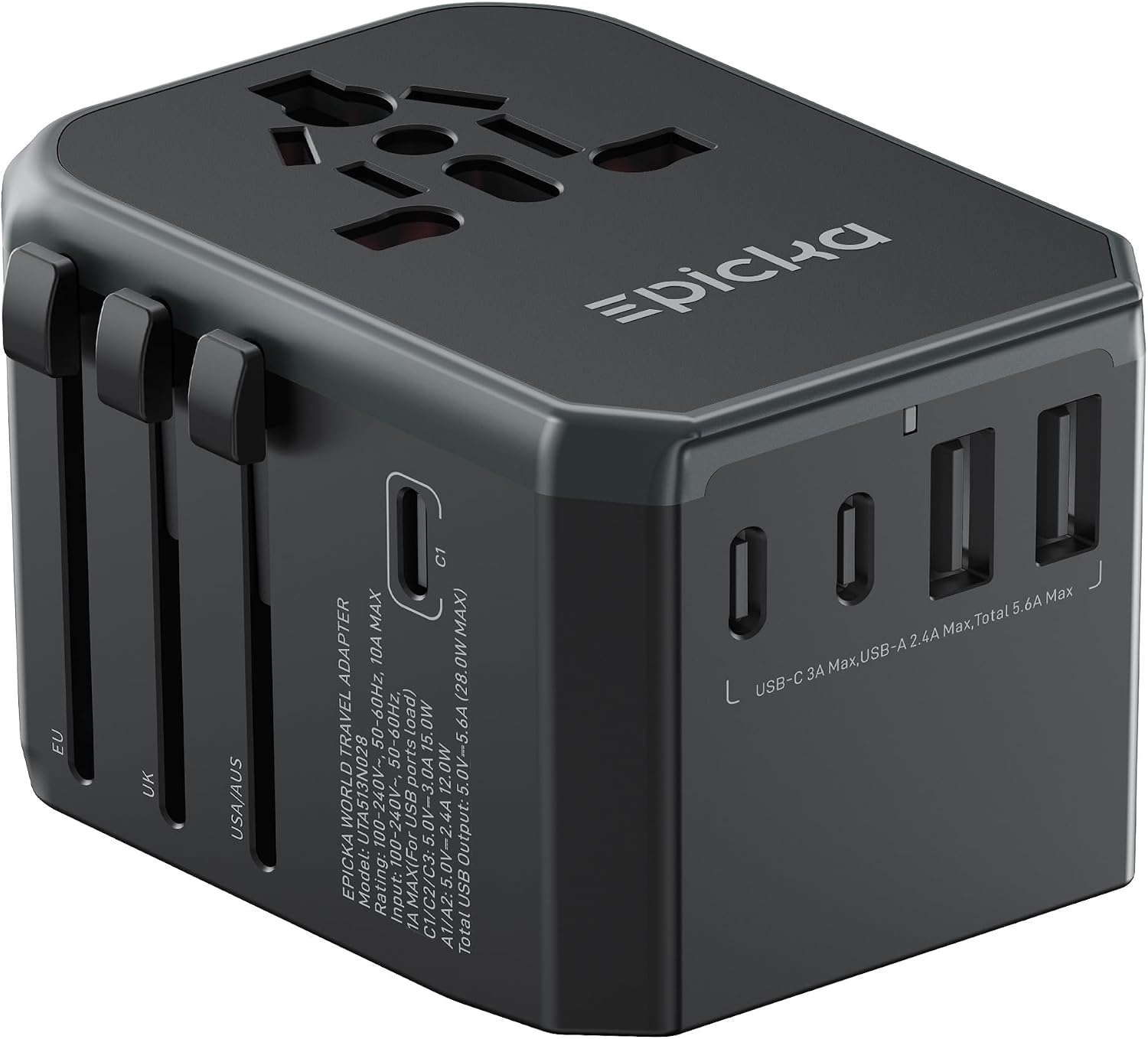
EPICKA
The GaN brick already accepts 100-240V. This adapter only has to change pin shape and give the brick an AC socket.
Why this one →
Raspberry Pi
Best open-board / HAT cooling path for Raspberry Pi 5.
Why this one →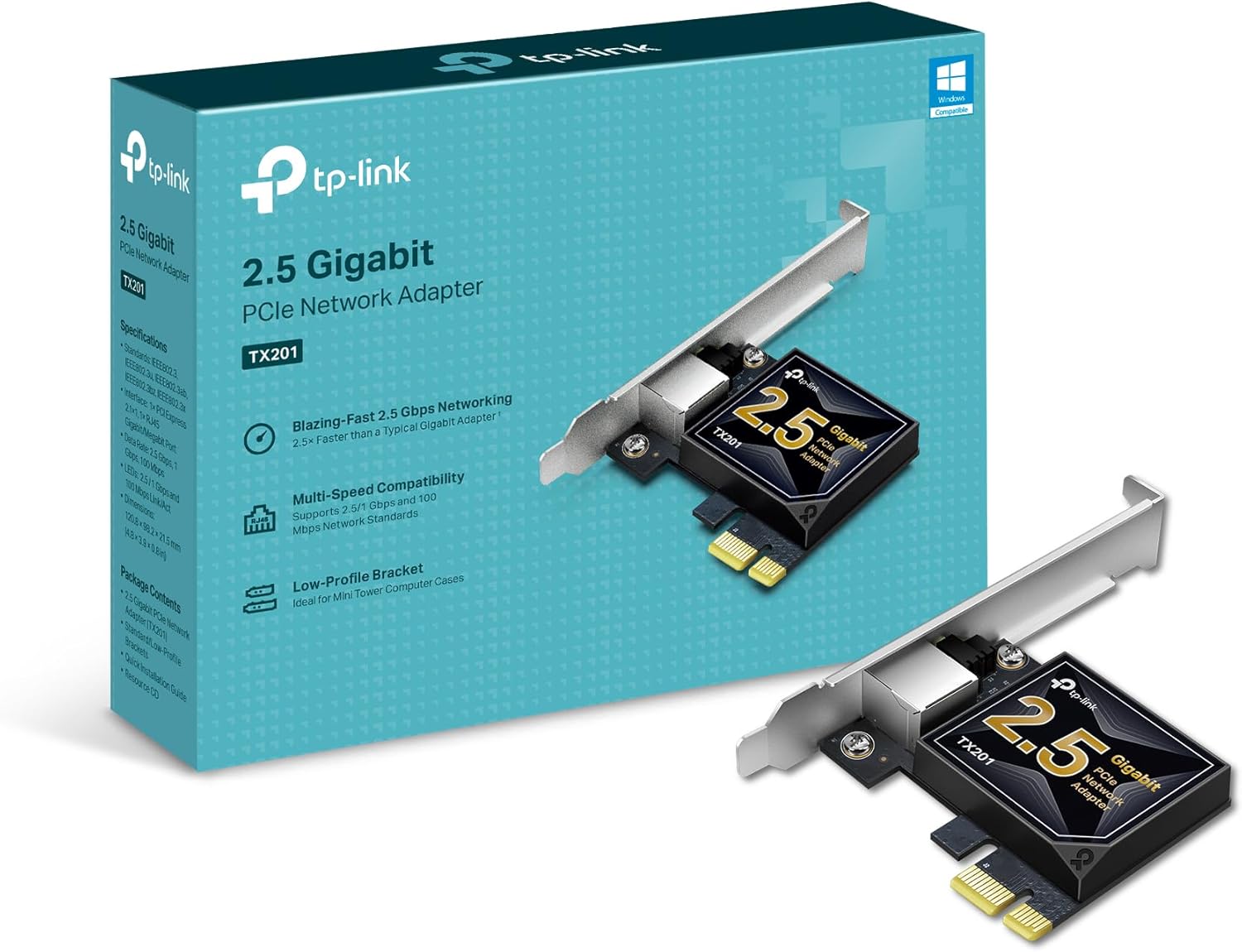
TP-Link
Illustrates the permanent desktop NIC half of a 2.5GbE upgrade.
Why this one →The write-ups that ranked the products above.

Two 27-inch 5K Mac monitors head to head: USB-C 96W vs Thunderbolt 4 90W, P3 coverage, matte panels, KVM and daisy-chain, macOS scaling, and who should skip the Studio Display for which.

DisplayLink docks that add two or three monitors past Apple's MacBook Air GPU limits, with charging, ports, driver caveats, and current street prices.

Belkin BoostCharge Pro 3-in-1 Qi2 stand review: 15W MagSafe phone pad, Watch and AirPods charging, StandBy tilt, street price near $61, and the reliability catch.

Matched mic, interface, and boom-arm kits for two people at three budgets, built for untreated rooms on one computer.

Logitech MX Brio review: 4K30 / 1080p60 webcam with Sony Starvis sensor, Logi Options+ fine controls, privacy shutter, and who should buy near $199 vs Facecam MK.2.

Fanless 5- and 8-port 2.5G desktop switches under a hundred dollars: TP-Link TL-SG105-M2, TL-SG108S-M2, and TRENDnet TEG-S350/S380 for desks, NAS, and ISP upgrades.