



The Raspberry Pi 5 is a different accessory problem than the Pi 4. Peak draw is higher, USB current limits depend on a 5A-class Power Delivery supply, cooling is no longer optional under sustained load, and the PCIe FFC opens a real NVMe path that older boards never had. This guide only lists accessories with confirmed Raspberry Pi 5 fit from official specs or clear Amazon US listings. It is not a Pi-hole shopping list (/set-up-pi-hole-on-a-raspberry-pi-everything-you-need) and not a Home Assistant hub kit (/raspberry-pi-home-assistant-hub-everything-you-need). Those pages are DIY project kits. This page is about power, cooling, case, storage, display, and camera parts that actually work on a Pi 5 board.
Power
Buy the 27W class supply first. Everything else (USB SSDs, cameras, HATs) is easier when the PD handshake unlocks the higher USB budget.
Best power (required class)
The Raspberry Pi 27W USB-C Power Supply (White) is the official 5.1V / 5A PD brick for Raspberry Pi 5. It is the correct power class for this board, not a leftover Pi 4 3.5A CanaKit-style supply.
✓ Pros
- ✓ Official 5.1V / 5A PD profile matched to Raspberry Pi 5
- ✓ Enables the higher USB current limit for peripherals
- ✓ Extra PD profiles (9V / 12V / 15V class) for other PD devices
✕ Cons
- ✕ White US Type-A plug SKU only in this listing (black / regional plugs differ)
- ✕ Costs more than a generic phone charger
- ✕ Still not a substitute for a UPS on always-on closet builds
Compatibility note: Confirmed official Raspberry Pi 27W USB-C PSU for Raspberry Pi 5. Prefer this over Pi 4-era 3A bricks when USB storage or multiple peripherals share the board. Travel GaN cubes are covered separately at /gan-travel-charging-kit-everything-you-need; they are not a drop-in replacement for the Pi 5 PD handshake unless the brick truly offers a 5A @ 5V profile.
Cooling and case
Decide open-air HAT builds versus a closed official shell. Sustained Pi 5 loads benefit from active airflow either way.
Best cooling (open board / HAT builds)
The Official Active Cooler for Raspberry Pi 5 is the clip-on aluminium heatsink plus PWM blower that mounts with spring pins and plugs into the Pi 5 four-pin fan header.
✓ Pros
- ✓ Official Pi 5 cooler with PWM control from the board fan header
- ✓ Low street price and huge install base
- ✓ Leaves GPIO and many HAT stacks usable on open builds
✕ Cons
- ✕ Not meant to live inside the official closed Pi 5 case fan assembly
- ✕ Blower noise under heavy load
- ✕ Needs clear airflow; covering the fins defeats the point
Compatibility note: Confirmed for Raspberry Pi 5 only. Use this when the board is open or in a case that clears the cooler. Skip it if you buy the official case below.
Best case (closed shell with fan)
The Official Raspberry Pi 5 Case is the snap-together ABS/PC shell with an integrated PWM fan, heatsink, port access, and silicone feet. It is the tidy desk or shelf enclosure for a Pi 5 that will not wear an Active Cooler.
✓ Pros
- ✓ Official Pi 5 fit with built-in fan and heatsink
- ✓ Access to ports, power button, and microSD
- ✓ Stackable mounting features and included feet
✕ Cons
- ✕ Fan assembly is the cooling path; do not also fit the Active Cooler
- ✕ Tall HATs and some NVMe bases need the lid / fan insert removed or a different case
- ✕ Plastic shell is protection, not a silent fanless design
Compatibility note: Listing and official docs confirm Raspberry Pi 5 only. Choose this for a closed build, or choose the Active Cooler plus an open / HAT-friendly case, not both.
Storage
Boot on a solid A2 microSD, then add NVMe when I/O matters. Pi 5 PCIe is the upgrade that separates this board from older Pi storage advice.
Best microSD (boot / OS)
The SanDisk Extreme 512GB microSDXC (A2 / V30) remains a strong imaging and boot card for Raspberry Pi OS when you want capacity headroom for containers, media caches, or project files on the card itself.
✓ Pros
- ✓ A2 / V30 UHS-I class suited to OS-style random I/O
- ✓ 512GB leaves room beyond a minimal OS image
- ✓ Includes an SD adapter for desktop imaging
✕ Cons
- ✕ Street price is high versus smaller Extreme cards
- ✕ Still flash wear if heavy databases stay on the card forever
- ✕ Counterfeit risk on shady marketplace sellers
Compatibility note: Confirmed microSDXC for the Raspberry Pi 5 microSD slot. Fine as the only storage on light projects; pair with NVMe when you want desktop-class disk speed.
Best NVMe upgrade (PCIe HAT)
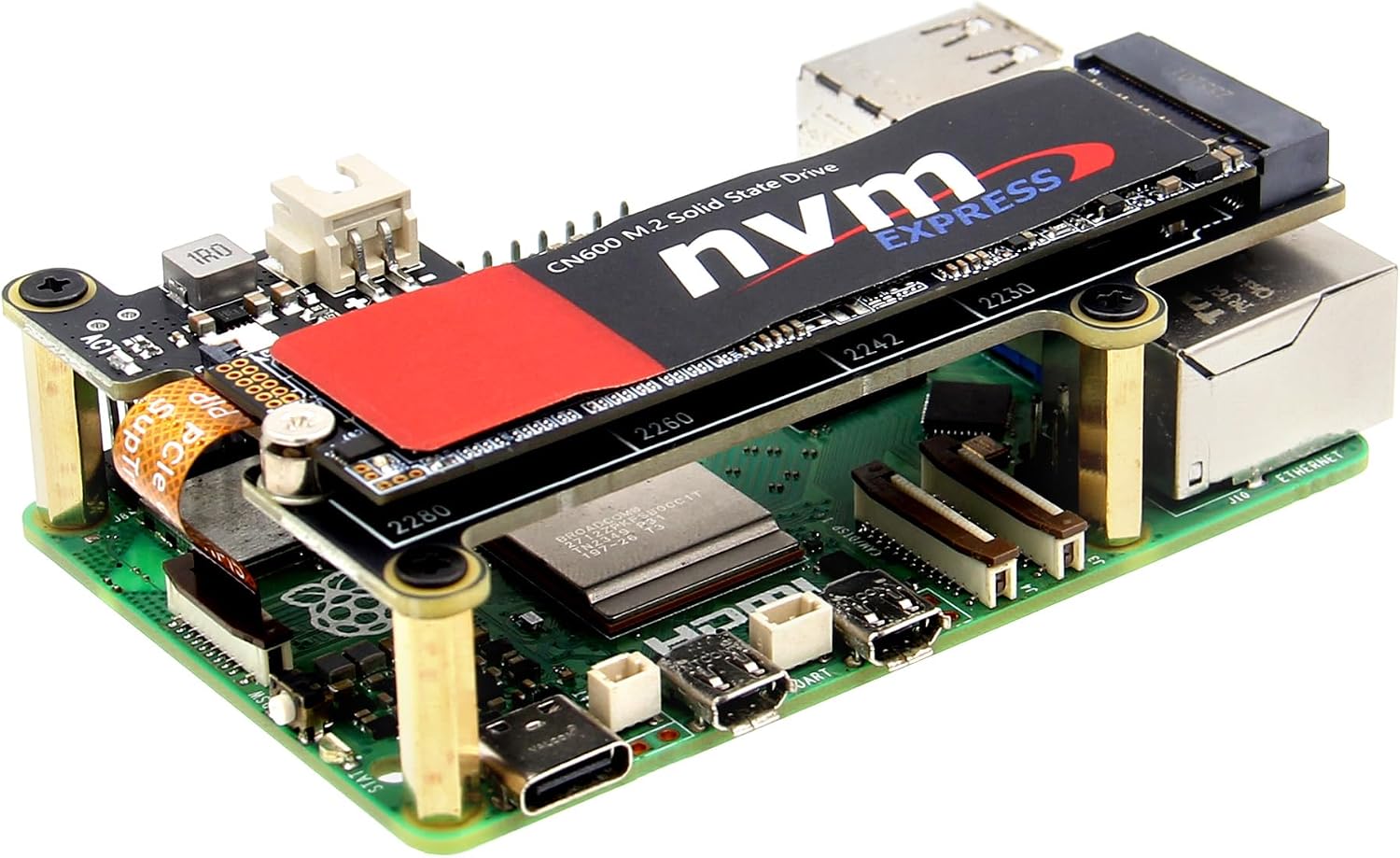
The Geekworm X1001 PCIe to M.2 NVMe HAT is a widely sold Pi 5 PCIe FFC NVMe base for M.2 2230 through 2280 Key-M drives. It is the practical speed path once microSD feels slow.
✓ Pros
- ✓ Purpose-built for Raspberry Pi 5 PCIe FFC
- ✓ Supports common M.2 NVMe lengths (2230 to 2280)
- ✓ Low board cost before you add the SSD
✕ Cons
- ✕ Needs a 27W-class PSU for stable SSD power
- ✕ Case clearance and FFC seating are common failure points
- ✕ Some SSD controllers are finicky; check Geekworm's compatibility notes
Compatibility note: Confirmed Raspberry Pi 5 only (not Pi 4). Plan Active Cooler airflow and case height before stacking a tall NVMe. SSD is sold separately.
Hub, display, and camera
Pi 5 already has USB-A and dual micro-HDMI. Most builds need a micro-HDMI cable more than a USB-C laptop hub. The USB-C port is primarily the power input, so a laptop-style USB-C hub is the wrong mental model here.
Best display cable
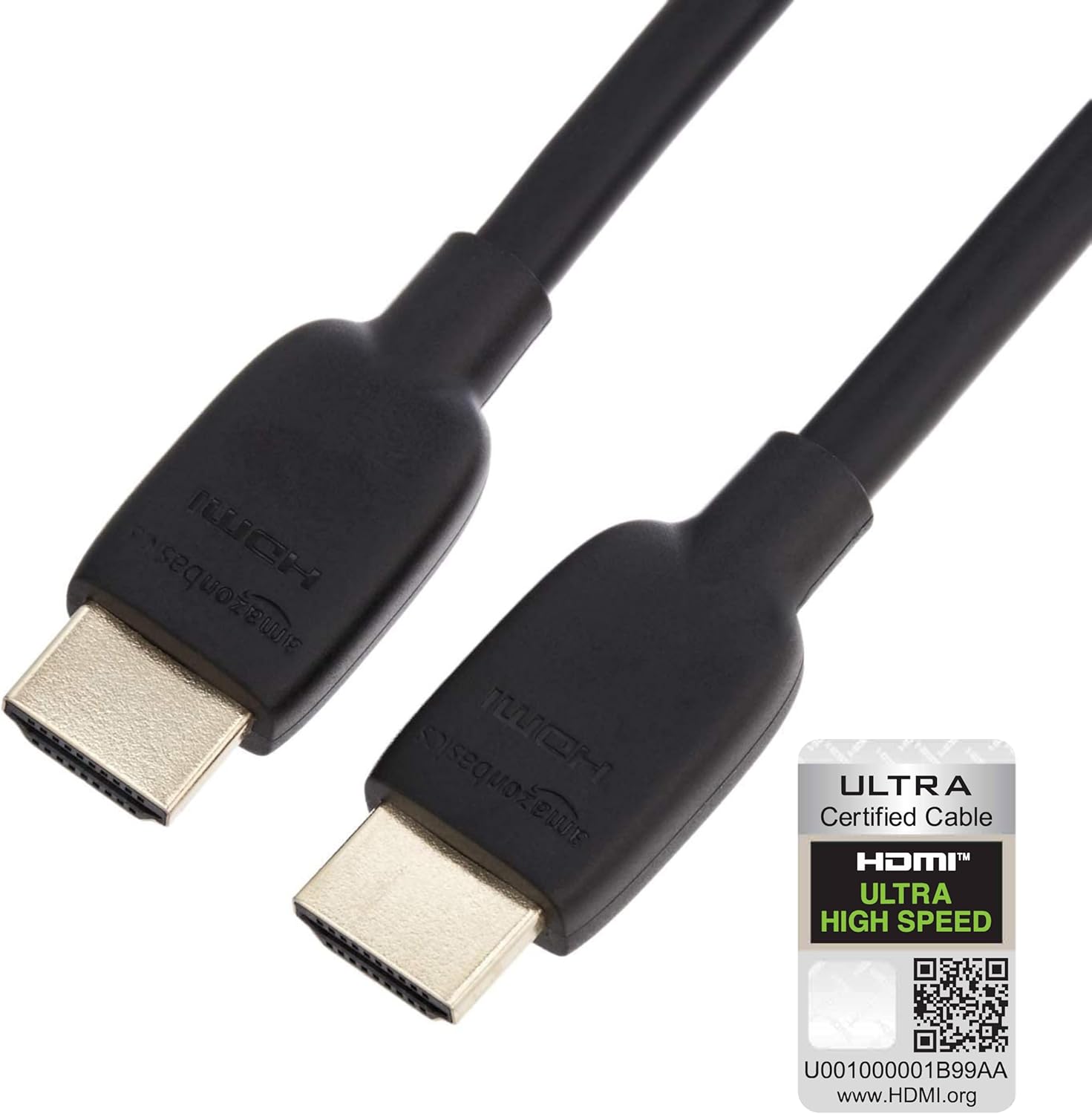
The UGREEN Micro HDMI to HDMI Cable (3 ft) is the short desk cable from either Pi 5 micro-HDMI port to a standard HDMI monitor or TV at 4K60-class signaling.
✓ Pros
- ✓ True micro-HDMI to full-size HDMI for Pi 5 display ports
- ✓ 4K60-class rating for modern monitors
- ✓ Short 3 ft length keeps desk clutter down
✕ Cons
- ✕ 3 ft is desk-side only; longer runs need a different SKU
- ✕ Two micro-HDMI ports still need two cables for dual displays
- ✕ Cable-only; no USB or Ethernet in the mix
Compatibility note: Confirmed micro-HDMI host cable for Raspberry Pi 5 (and other micro-HDMI sources). Do not buy a mini-HDMI cable by mistake.
Best camera
The Raspberry Pi Camera Module 3 is the current mainstream official camera (12MP IMX708 with autofocus). On Pi 5 it needs the mini 22-pin camera cable (often included on current standard kits; confirm before checkout).
✓ Pros
- ✓ Official 12MP autofocus camera for Raspberry Pi projects
- ✓ Works with modern libcamera / rpicam tooling on Raspberry Pi OS
- ✓ Compact module for vision, timelapse, and monitoring builds
✕ Cons
- ✕ Pi 5 uses a 22-pin mini CSI connector; verify the cable in the box
- ✕ Official case camera routing may need the lid open or a cutout
- ✕ Autofocus module is taller than Camera Module 2
Compatibility note: Official Camera Module 3 is compatible with Raspberry Pi 5 when paired with the correct mini camera cable. Older 15-pin-only ribbons will not seat on the Pi 5 CAM/DISP connectors.
Comparison
| Accessory | Role | Pi 5 note | Street price (approx.) |
|---|---|---|---|
| Official 27W USB-C PSU | Power | 5.1V / 5A PD class | ~$23 |
| Active Cooler | Cooling | Open board / HAT builds | ~$11 |
| Official Pi 5 case | Case | Built-in fan; skip Active Cooler | ~$19 |
| SanDisk Extreme 512GB | Boot microSD | A2 / V30 in the microSD slot | ~$120 |
| Geekworm X1001 | NVMe HAT | Pi 5 PCIe FFC only | ~$14 (+ SSD) |
| UGREEN Micro HDMI 3 ft | Display | Dual micro-HDMI ports | ~$7 |
| Camera Module 3 | Camera | Needs mini 22-pin cable on Pi 5 | ~$25 |
The Bottom Line
Power the Raspberry Pi 5 with the official 27W USB-C PSU, then pick one cooling path: the Active Cooler for open or HAT builds, or the official Pi 5 case when you want a closed shell. Boot from the SanDisk Extreme 512GB A2, add the Geekworm X1001 when NVMe speed matters, connect a monitor with the UGREEN Micro HDMI cable, and add Camera Module 3 when the project needs a CSI camera. For DNS-only or home-automation shopping lists on related boards, use the Pi-hole and Home Assistant kit pages linked above instead of duplicating those BOMs here.