




Nobody replaces every networking box in one weekend, and apartments make that even clearer. You often rent the ISP gateway, you rarely get Ethernet in every room, and coax is frequently already there for cable TV. The right move is to rank upgrades by impact: fix the gateway and placement first, add a wired or MoCA spine second, only then spend on a faster single router, and treat mesh as the last step when dead zones remain. This path is distinct from the mesh Wi-Fi explainer, the Wi-Fi 7 should-you-upgrade decision, the Wi-Fi 7 router shortlist, and the far-side-of-house backhaul guide.
1. Replace the ISP gateway Wi-Fi with a real router
How to tell this is your bottleneck: run a wired or near-modem speed test at the ISP box, then the same test in the living room and bedroom on Wi-Fi. If the modem/ONT handoff looks fine but Wi-Fi is soft, sticky, or drops when the gateway sits in a closet or utility niche, the combo box radio and placement are the problem, not "you need mesh yet."
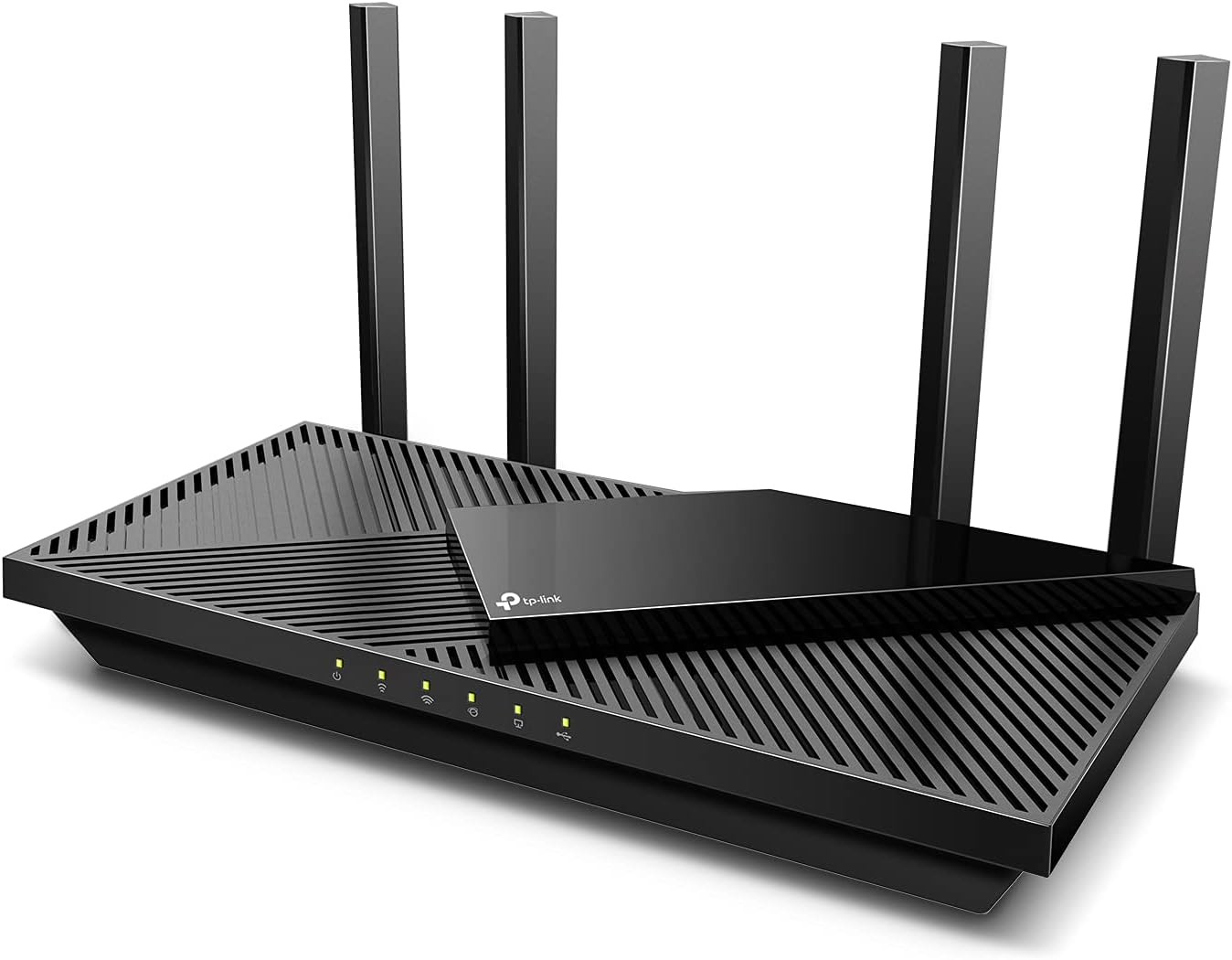
Put the ISP modem/ONT in bridge or passthrough mode when your provider allows it, then let a dedicated router own Wi-Fi and DHCP. The TP-Link Archer AX55 is the practical first buy for most apartments: AX3000 Wi-Fi 6, WPA3, and a price that does not assume you already need Wi-Fi 7. Place it central and elevated, not stacked on the cable box behind a metal entertainment unit.
Expected improvement: stabler roaming inside one well-placed AP's footprint, clearer 5 GHz airtime than a typical ISP combo radio, and fewer double-NAT headaches once the gateway is bridged. Skip this step only if you already run a solid third-party router in bridge mode and your near-router speeds already match the plan.
2. Add a cheap Ethernet spine (switch + short runs)
How to tell this is your bottleneck: one room is fine near the router, but a desk, TV, or second AP across the apartment still crawls even after you moved the gateway. If you can fish a short Cat6 run (along baseboards, through a closet, or under a desk) or you already have a jack, wireless backhaul is wasting airtime.
An unmanaged Gigabit switch plus short patch cables is the lowest-drama apartment spine. The TP-Link TL-SG108 sits near the router, feeds the TV, console, NAS, or a second AP, and needs no VLAN hobby for a one-bedroom. Pair it with ordinary Cat6 patch cords (a multipack is fine) rather than hoping mesh wireless backhaul will equal a wire.
Expected improvement: rock-solid desk and living-room links, and any future node can use wired backhaul instead of eating half the radio. Skip if every critical client already sits within one room of the router and you refuse any cable at all.
3. Use MoCA when coax already reaches the far rooms
How to tell this is your bottleneck: Ethernet fishing is ugly or blocked by the landlord, but coax outlets already sit in the living room and bedroom from cable TV. Far-room Wi-Fi stays weak after a real router and better placement, and powerline has already disappointed you on shared circuits.
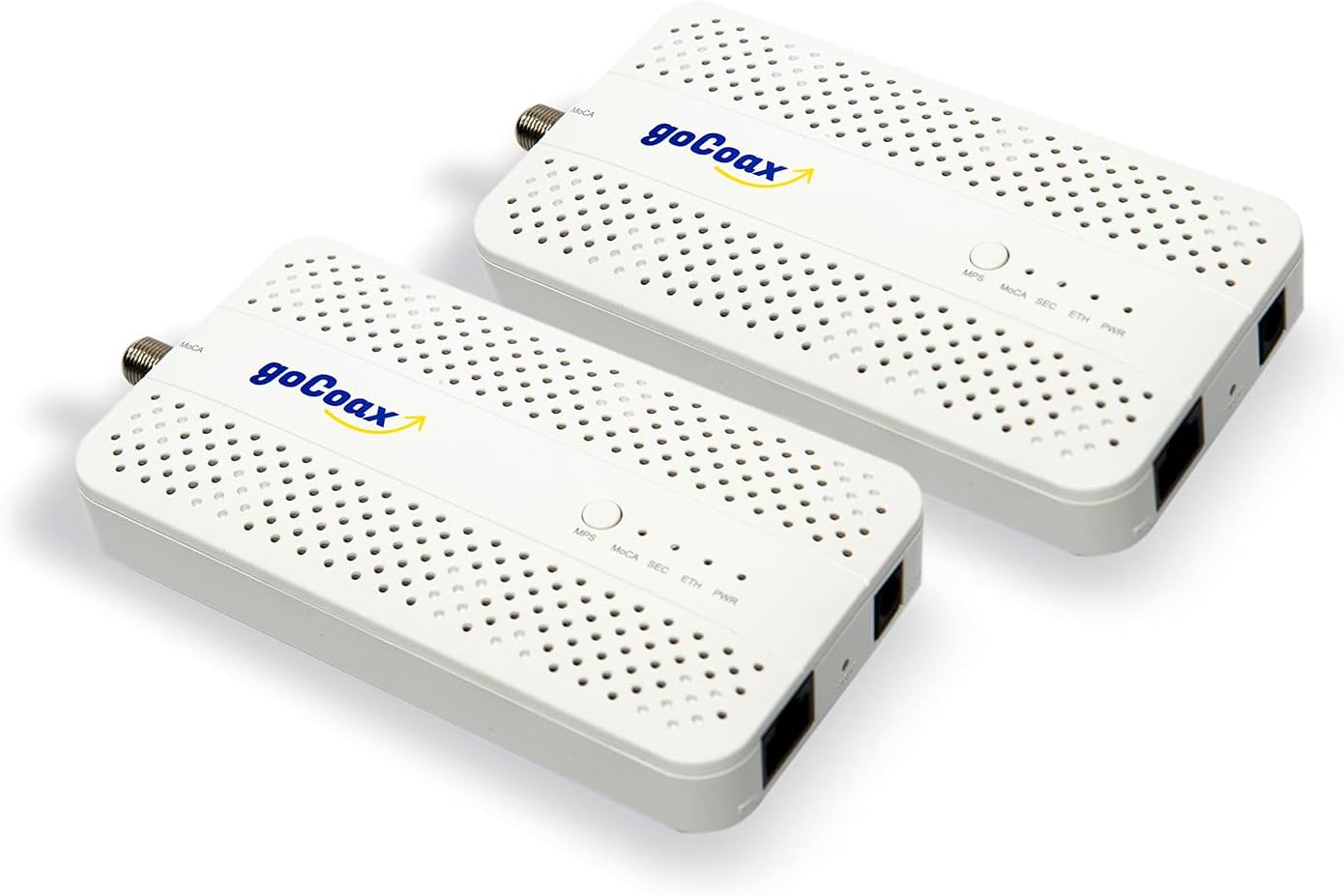
MoCA 2.5 adapters turn that coax into a wired-class backhaul. A two-pack like the goCoax MoCA 2.5 bridges the router location to a far room so you can park a wired client or a second AP without fishing Cat6 through rented walls. Add a MoCA POE filter at the unit entry if neighbors share the plant. For more backhaul options (powerline vs MoCA vs mesh), see getting internet to the far side of the house.
Expected improvement: near-Ethernet stability to the coax-fed room, which often removes the urge to buy a three-pack mesh kit. Skip if you have no coax, the landlord forbids adapters on the plant, or a short Ethernet run is already easy.
4. Step up the single router when coverage is fine but features lag
How to tell this is your bottleneck: after bridging and placement, the whole apartment already gets a usable signal, but you want cleaner 6 GHz near the desk, multi-gig ports for a faster plan, or current-gen features. Speed tests are limited by the old router's radios or Gigabit-only LAN, not by a far bedroom dead zone.
This is when a stronger single AP beats buying nodes. The TP-Link Archer BE550 is the step-up: tri-band Wi-Fi 7 with real 6 GHz and a full 2.5GbE port set for modern fiber or cable handoffs. If you are still deciding whether Wi-Fi 7 itself is worth it, read What Is Wi-Fi 7 and Should You Upgrade and the 2026 Wi-Fi 7 router shortlist before you spend. Wi-Fi 6E remains a wait-and-see bridge when BE pricing is not ready.
Expected improvement: higher peak rates near the AP, better multi-gig wired ceiling, and headroom for modern clients without adding nodes. Skip if dead zones remain after step 1; a faster single box will not punch through the same walls that already beat the AX55.
5. Add mesh only for leftover dead zones
How to tell this is your bottleneck: you already bridged the ISP box, fixed placement, and added Ethernet or MoCA where you could, and one corner (a den, loft, or thick-wall bedroom) still fails a speed test and video calls. Moving the primary router farther just makes the living room worse.
Mesh is the last upgrade, not the first shopping cart. A three-pack like the TP-Link Deco X55 can cover leftover dead zones, preferably with at least one node on wired or MoCA backhaul. Do not start here while the ISP gateway still owns Wi-Fi in a closet. For how mesh backhaul works and when kits make sense, stay on What Is Mesh Wi-Fi and How It Works.
Expected improvement: usable signal in rooms a single AP cannot reach, especially with wired backhaul between nodes. Skip if one well-placed router already covers the floor plan; spend on backhaul or a better single router instead.
The Order at a Glance
- Bridge the ISP gateway and put a real router in charge: TP-Link Archer AX55.
- Build a cheap Ethernet spine: TP-Link TL-SG108.
- When coax exists and fishing cable is ugly, use MoCA: goCoax MoCA 2.5.
- Step up the single router only when coverage is already fine: TP-Link Archer BE550.
- Mesh last for leftover dead zones: TP-Link Deco X55.
Work the list in order. Most apartments feel "fixed" after steps 1 and 2. Steps 3 through 5 are conditional spends, not a mandatory cart.