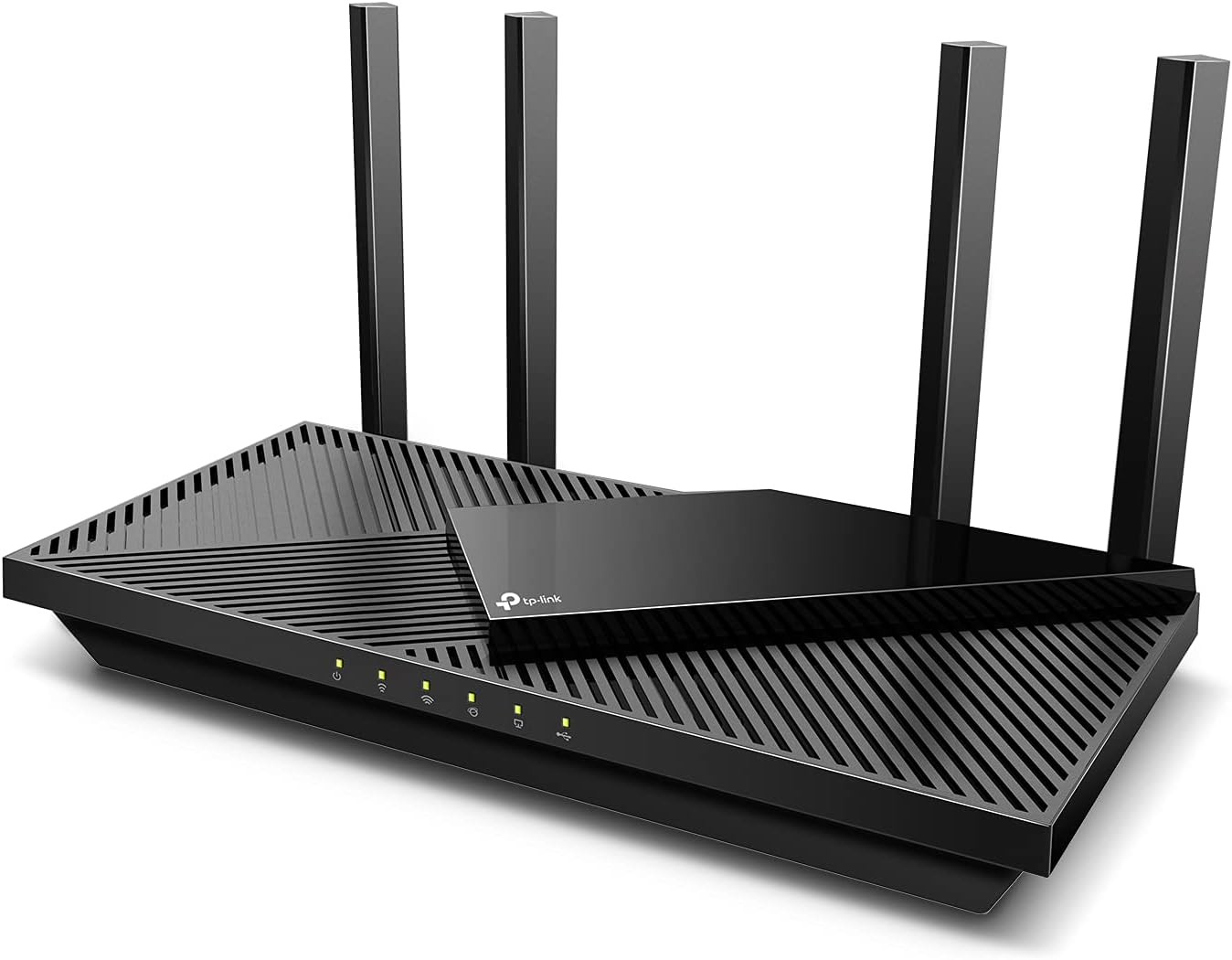


Wi-Fi 7 (802.11be) is worth buying when you already have multi-gig fiber or cable, several modern phones and laptops that speak the new bands, and a congested 5 GHz neighborhood. It is not an automatic upgrade for a 300 Mbps plan and older clients. If you are still deciding whether to upgrade at all, read What Is Wi-Fi 7 and Should You Upgrade first. This page is the buy-intent shortlist: real tri-band 6 GHz routers, an honest dual-band "Wi-Fi 7 sticker" budget pick, and a Wi-Fi 6E wait-and-see alternative when 7 pricing is not ready yet.
What to Look For
Real 6 GHz beats dual-band "Wi-Fi 7" stickers. Tri-band Wi-Fi 7 with a dedicated 6 GHz radio is the feature that unlocks wider channels and cleaner spectrum near the router. Dual-band Wi-Fi 7 boxes can still add MLO and 4K-QAM on 2.4/5 GHz, but they skip the band that makes most early upgrades worthwhile. Label the generation honestly before you chase a BE model number.
6 GHz through walls is weaker. The higher band fades faster through drywall and floors. Plan for desk and living-room clients that stay closer to the AP, and keep 5 GHz for farther rooms. For whole-home coverage, wired backhaul plus a mesh-capable system beats hoping 6 GHz reaches the far bedroom. See What Is Mesh Wi-Fi and How It Works and getting internet to the far side of the house (including MoCA over coax).
Wired backhaul and multi-gig LAN still matter. A Wi-Fi 7 radio cannot outrun a 1 Gbps ISP handoff or a Gigabit-only switch. Prefer routers with 2.5GbE or 10GbE WAN/LAN when your modem or ONT can feed them, then wire NAS, desktops, and AP uplinks. Pair with Cat6 runs, a faster home Ethernet switch, or a PoE switch for a home lab when you are building a wired spine.
MLO, WPA3, and expandability. Multi-Link Operation can bond bands for latency-sensitive clients that support it. Require WPA3 (with WPA2 fallback for older IoT). Prefer vendors that let you add nodes later without locking you into a dead proprietary dead-end, whether that is EasyMesh, AiMesh, or a clear vendor mesh path.
Best Overall: TP-Link Archer BE550 (BE9300)
The TP-Link Archer BE550 is the value default for a real tri-band Wi-Fi 7 upgrade: BE9300 class speeds, a dedicated 6 GHz band, MLO, and a full set of 2.5GbE ports (one WAN plus four LAN) so multi-gig fiber is not wasted on a single Gigabit jack. EasyMesh compatibility covers a later node without forcing a kit purchase on day one.
✓ Pros
- ✓ True tri-band Wi-Fi 7 with a real 6 GHz radio
- ✓ Full 2.5GbE WAN/LAN set for multi-gig ISP plans
- ✓ Strong street price versus flagship dual-10G models
✕ Cons
- ✕ Not dual 10GbE; flagship ASUS still wins raw wired ceiling
- ✕ App and HomeShield extras are optional, not the reason to buy
- ✕ Large homes still need wired backhaul or extra nodes
Who it is for: households on 1 to 2.5 Gbps internet who want honest 6 GHz Wi-Fi 7 without flagship pricing. Who should skip it: buyers who need dual 10GbE WAN/LAN or ASUS AiProtection depth from day one.
Best for Multi-Gig: ASUS RT-BE96U
The ASUS RT-BE96U is the required flagship pick when wired multi-gig and headroom matter as much as the radio: tri-band Wi-Fi 7 with 6 GHz, dual 10GbE-class ports, MLO, and AiMesh expandability plus subscription-free AiProtection Pro. It is the buy when the ONT or lab switch already speaks 10G and you do not want the router to be the bottleneck.
✓ Pros
- ✓ Dual 10GbE-class ports for WAN/LAN multi-gig workloads
- ✓ Tri-band Wi-Fi 7 with 320 MHz class 6 GHz headroom
- ✓ AiMesh path and AiProtection Pro without a security subscription
✕ Cons
- ✕ Street price sits well above BE550 / Flint 3 class
- ✕ Overkill for sub-gig ISP plans and sparse client counts
- ✕ Larger chassis and power draw than mid-tier boxes
Best for multi-gig fiber, creator or lab desks with 10G NAS, and homes that may grow into AiMesh. Skip if a ~$200 tri-band with 2.5GbE already matches your ISP speed.
Best for VPN Power Users: GL.iNet Flint 3 (GL-BE9300)
The GL.iNet Flint 3 sits in the mid-tier gap: tri-band BE9300 Wi-Fi 7 with real 6 GHz, five 2.5G Ethernet ports, MLO, and GL.iNet's VPN / OpenWrt-minded tooling (WireGuard, OpenVPN, AdGuard Home style features). It is the pick when you want BE9300 radios plus serious VPN and multi-WAN flexibility without jumping to dual-10G ASUS money.
✓ Pros
- ✓ Tri-band Wi-Fi 7 with dedicated 6 GHz and MLO
- ✓ Five 2.5G ports for multi-gig LAN and flexible WAN
- ✓ Strong VPN and advanced networking feature set
✕ Cons
- ✕ Smaller brand presence than TP-Link or ASUS in big-box Wi-Fi
- ✕ Not dual 10GbE; ASUS still owns the wired flagship tier
- ✕ Power users may spend more time in the UI than a simple family app
Best for remote workers, travel-home hybrids, and lab users who live in VPN profiles. Skip if you only want the simplest family app and a BE550-class checklist.
Best Budget (Honest Dual-Band): TP-Link Archer BE230
The TP-Link Archer BE230 is Best Budget only with a clear label: it is dual-band Wi-Fi 7 (BE3600 class) with no 6 GHz band. You still get Wi-Fi 7 features like MLO and higher QAM on 2.4/5 GHz at a low street price, but you are buying a Wi-Fi 7 sticker without the band that drives most early upgrades. Treat it as an entry BE box for small apartments, not as a tri-band peer to the BE550.
✓ Pros
- ✓ Low street price for a current-gen Wi-Fi 7 SKU
- ✓ MLO and modern Wi-Fi 7 features on 2.4/5 GHz
- ✓ Fine for small homes that will not use 6 GHz clients soon
✕ Cons
- ✕ Dual-band only: no 6 GHz radio
- ✕ Easy to confuse with tri-band BE9300 models in search results
- ✕ Wrong pick if the goal of upgrading is clean 6 GHz spectrum
Buy this only when the budget is hard-capped and you accept no 6 GHz. Spend up to the BE550 or Flint 3 when 6 GHz is the reason you opened this guide.
Best Wait-and-See: TP-Link Archer AXE75 (Wi-Fi 6E)
Not ready to pay Wi-Fi 7 prices? The TP-Link Archer AXE75 is a tri-band Wi-Fi 6E router with a real 6 GHz band at a softer street price. It is not Wi-Fi 7: no 802.11be MLO story, no BE marketing. It is the honest wait-and-see pick when you want 6 GHz now and can revisit Wi-Fi 7 after more clients and price drops land.
✓ Pros
- ✓ Tri-band Wi-Fi 6E with a real 6 GHz radio today
- ✓ Usually cheaper than tri-band Wi-Fi 7 peers
- ✓ Sensible bridge if most clients are still Wi-Fi 6/6E
✕ Cons
- ✕ Not Wi-Fi 7; no BE / MLO generation step
- ✕ Will feel dated sooner if you already own several Wi-Fi 7 clients
- ✕ Still needs good placement; 6 GHz range limits apply
Best for readers who want 6 GHz without BE pricing. Skip if you already decided on Wi-Fi 7 and have the budget for BE550 or above.
Comparison
| Router | Generation | 6 GHz | Wired highlights | Best use | Street price |
|---|---|---|---|---|---|
| TP-Link Archer BE550 | Wi-Fi 7 tri-band BE9300 | Yes | 5x 2.5GbE | Best overall value | ~$200 |
| ASUS RT-BE96U | Wi-Fi 7 tri-band | Yes | Dual 10GbE class | Multi-gig flagship | ~$480 |
| GL.iNet Flint 3 | Wi-Fi 7 tri-band BE9300 | Yes | 5x 2.5G | VPN / power users | ~$210 |
| TP-Link Archer BE230 | Wi-Fi 7 dual-band BE3600 | No | Gigabit-class ports | Honest budget sticker | ~$80 |
| TP-Link Archer AXE75 | Wi-Fi 6E tri-band | Yes | Gigabit + multi-gig mix | Wait-and-see 6E | ~$160 |
The Bottom Line
Start with the TP-Link Archer BE550 when you want real tri-band Wi-Fi 7 and 2.5GbE without flagship spend. Step up to the ASUS RT-BE96U for dual 10GbE-class multi-gig, or pick the GL.iNet Flint 3 when VPN and advanced routing matter as much as radios. Take the BE230 only if you accept dual-band Wi-Fi 7 without 6 GHz, and the AXE75 when a Wi-Fi 6E wait-and-see path is smarter than paying for BE today. For the should-you-upgrade decision, stay on What Is Wi-Fi 7; for whole-home coverage, use the mesh Wi-Fi explainer instead of betting on 6 GHz through every wall.