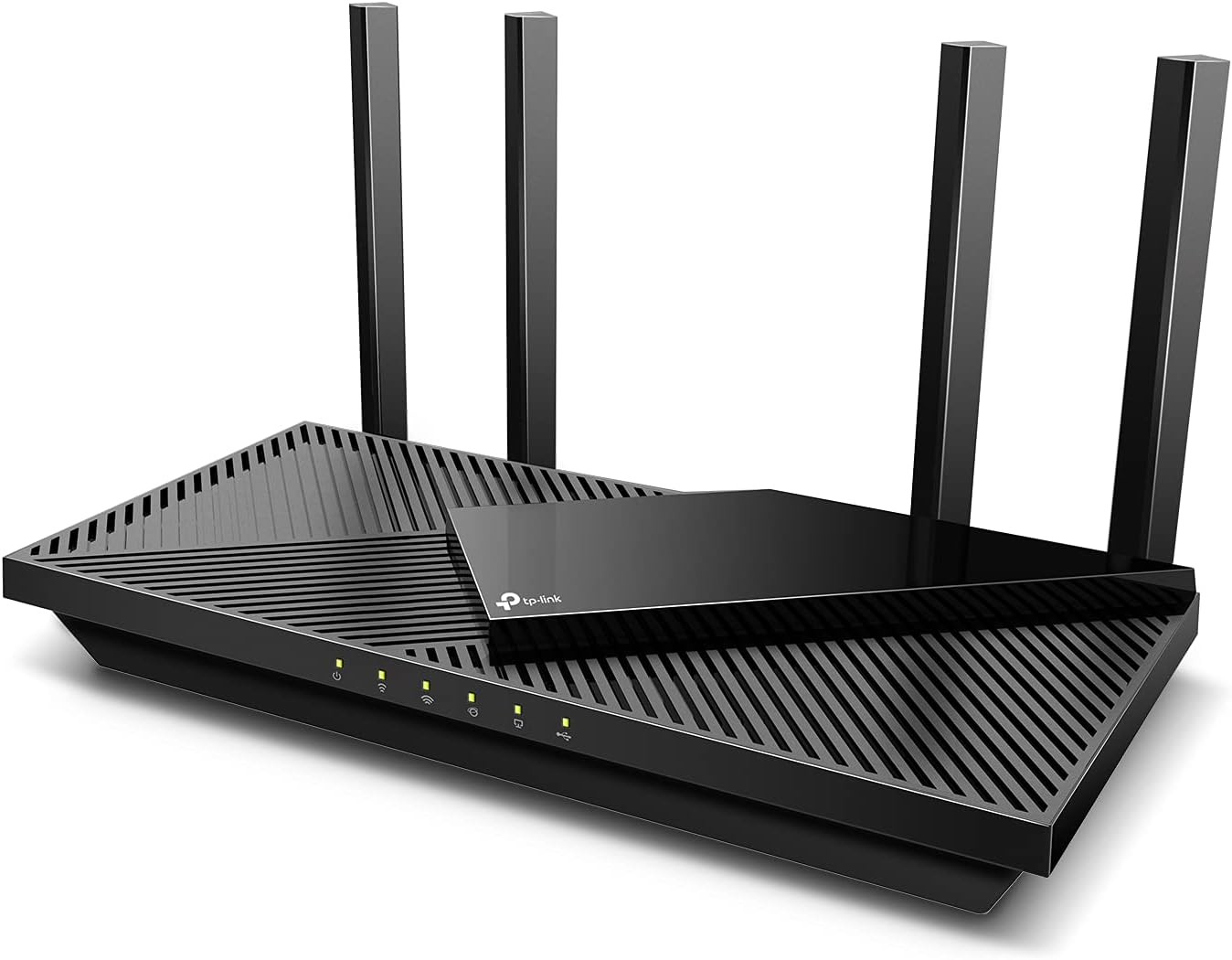

Choosing between the TP-Link Deco BE65 (3-pack) and the Amazon eero Pro 7 (2-pack) is the apartment fork for Wi-Fi 7 mesh: feature-rich Deco nodes with four 2.5 GbE ports each, or set-and-forget eero with dual 5 GbE ports and a very simple app. Specs and street prices below come from maker sheets and current Amazon listings, not a lab shootout.
This face-off is narrower than Best Wi-Fi 7 Routers in 2026 (single-router shortlist) and different from the triage flow in Upgrade Apartment Wi-Fi. For the standard itself, start with What Is Wi-Fi 7? Should You Upgrade? and What Is Mesh Wi-Fi?. Related building blocks: Wi-Fi 6E, WPA3, MLO, far-side of house options, and best Ethernet switches.
| Attribute | TP-Link Deco BE65 Wi-Fi 7 Mesh (3-Pack) | Amazon eero Pro 7 Wi-Fi 7 Mesh (2-Pack) |
|---|---|---|
| Rating | 4.4 | 4.3 |
| Price | $396.50 checked Sep 2026 | $549.99 checked Sep 2026 |
| Wi-Fi class | Tri-band Wi-Fi 7 (BE9300 class on live US ASIN) | Tri-band Wi-Fi 7 |
| Pack size | 3 nodes | 2 nodes |
| Ethernet | 4x 2.5 GbE per node (WAN/LAN auto-sensing) | 2x 5 GbE per node |
| USB | 1x USB 3.0 per node | Not listed |
| Security | WPA3, HomeShield (basic free / Pro paid) | Not listed |
| Coverage claim | Not listed | Up to ~4,000 sq ft (2-pack) |
| Smart home | Not listed | Thread / Matter / Zigbee controller paths |
| Buy | View on Amazon | View on Amazon |
Quick verdict
Most apartment buyers should buy the Deco BE65 3-pack. You get three BE9300-class tri-band nodes, four auto-sensing 2.5 GbE ports per unit, USB 3.0, HomeShield basics, and a street price that often undercuts the eero Pro 7 2-pack. Take eero when you want the calmest app, Amazon ecosystem glue, and 5 GbE wired links for a multi-gig ISP plan without fiddling in Deco menus.
Price and value
Winner: Deco BE65 3-pack. As of writing, the Deco BE65 3-pack often lands near $350 to $400 on Amazon while the eero Pro 7 2-pack lists near $550. That is more nodes for less money, plus denser multi-gig Ethernet. eero can still be worth the premium if you value support, TrueMesh automation, and not learning another vendor app. Confirm current street pricing on Amazon before you order; mesh packs swing with sales.
Coverage and bands
Winner: Deco for claimed area and spare node; eero for realistic two-node apartment sizing. Maker materials rate the Deco BE65 3-pack for large whole-home footprints (thousands of square feet on paper) and the eero Pro 7 2-pack around 4,000 sq ft with 400+ devices. In a 1 to 2 bedroom apartment, both overshoot the floor plan. The useful difference is placement flexibility: Deco's third node is cheap insurance for a weird hallway, loft, or concrete wall. Both advertise tri-band Wi-Fi 7 with a 6 GHz radio and Multi-Link Operation (MLO). Treat 6 GHz as a short-range booster for nearby clients, not a wall-puncher. Older phones without 6 GHz still ride 5 GHz / 2.4 GHz; see Wi-Fi 6E for the prior 6 GHz story and What Is Wi-Fi 7? for when the upgrade is worth it.
| Axis | Deco BE65 (3-pack) | eero Pro 7 (2-pack) |
|---|---|---|
| Class | Tri-band Wi-Fi 7 mesh (BE9300 class on the live US ASIN) | Tri-band Wi-Fi 7 mesh |
| Pack size in this matchup | 3 nodes | 2 nodes |
| Wired ports (per node) | 4x 2.5 GbE + USB 3.0 | 2x 5 GbE |
| Maker coverage claim | Large whole-home 3-pack footprint | Up to ~4,000 sq ft (2-pack) |
| App posture | Feature-rich Deco app, HomeShield tiers | Minimal eero app, optional eero Plus |
| Smart home extras | Alexa / Google hooks, IoT SSID options | Thread / Matter / Zigbee controller paths |
| Typical catalog price | ~$350 to $400 | ~$550 |
| Best fit | Value, ports, spare node | Simplest daily UX, 5 GbE |
Ports and backhaul
Winner: split. Deco for port count; eero for per-port speed. Each Deco BE65 unit brings four 2.5 GbE auto-sensing ports, which is excellent for a desk switch, NAS, console, and ISP modem without buying an extra multi-gig switch on day one. eero Pro 7 brings two 5 GbE ports per unit and markets support for internet plans up to 5 Gbps, so a multi-gig fiber handoff can stay closer to line rate when you wire the gateway node. For wireless backhaul, both rely on tri-band mesh with a dedicated-ish high band when clients allow. If you can run Ethernet between nodes, do it: wired backhaul still beats hoping 6 GHz survives plaster and neighbors. A cheap unmanaged multi-gig switch from best Ethernet switches pairs cleanly with either system. MoCA or powerline remain fallbacks in the far-side of house guide when landlords block cable runs.
App and daily UX
Winner: eero Pro 7. The eero app is famously short: create a network, place nodes, done. Advanced toggles stay limited unless you pay for eero Plus (security, ad blocking, parental controls). Deco's app exposes more: band preferences, HomeShield, VPN client/server options, IoT network isolation, and more QoS knobs. That depth helps power users and frustrates people who only want Wi-Fi that works. Security defaults differ too: both support modern encryption including WPA3 paths when clients allow. Deco ships HomeShield basic with paid Pro upgrades; eero leans on optional Plus. ISP gateway mode is available on both lineages in common setups (bridge the ISP modem/router when you can, or use AP / bridge modes when you must keep the ISP box).
Who should buy which
Buy the Deco BE65 3-pack if you want Wi-Fi 7 mesh for an apartment on a tighter budget, you care about four 2.5 GbE ports per node, and you do not mind a fuller featured app. The third node is useful even if you only power two at first.
Buy the eero Pro 7 2-pack if you want the calmest Amazon-managed mesh, dual 5 GbE ports for a multi-gig plan, and Thread/Matter hub duty alongside Wi-Fi. Paying more for less hardware is the trade when simplicity is the product.
Skip both if a single modern Wi-Fi 7 router already covers your studio (see Best Wi-Fi 7 Routers in 2026), or if your real problem is the ISP gateway placement (start with Upgrade Apartment Wi-Fi before buying mesh).
Bottom line
For most apartments comparing these two Wi-Fi 7 meshes, the TP-Link Deco BE65 3-pack is the overall pick: more nodes, denser 2.5 GbE, and usually a lower pack price. The Amazon eero Pro 7 2-pack wins when app simplicity and 5 GbE matter more than Deco's feature stack. Specs here are from maker sheets and Amazon listings, not a lab shootout. Confirm current street pricing, then View on Amazon for the Deco pack or the eero pack before you order.