
| Role | Budget | Mid-range | Premium |
|---|---|---|---|
| Mics (buy 2) | Samson Q2U | Rode PodMic | Shure SM58-LC |
| Interface | Focusrite Scarlett 2i2 (4th Gen) | MOTU M2 | SSL 2+ MKII |
| Arms (buy 2) | InnoGear MU-PSA28 | Elgato Wave Mic Arm LP | Rode PSA1+ |
| Headphone outs | 1 | 1 | 2 |
| Rough total | $400 to $500 | $500 to $750 | $500 to $750 |
| Best for | First shared XLR desk | Speech-tuned weekly show | Fast monitoring, durable mics |
On this page
Our picks
- Budget: mic (buy 2)Samson Q2U USB/XLR Dynamic MicrophoneDual connectivity and a low street price for a matched pair into a Scarlett$50-$100Check price on Amazon
- Budget: interfaceFocusrite Scarlett 2i2 (4th Gen)Two preamps and Auto Gain; one headphone jack needs a splitter for dual monitoring$200-$500Check price on Amazon
- Budget: arm (buy 2)InnoGear Mic Boom Arm (MU-PSA28)Clamp-on broadcast arm that holds a Q2U without premium pricingUnder $50Check price on Amazon
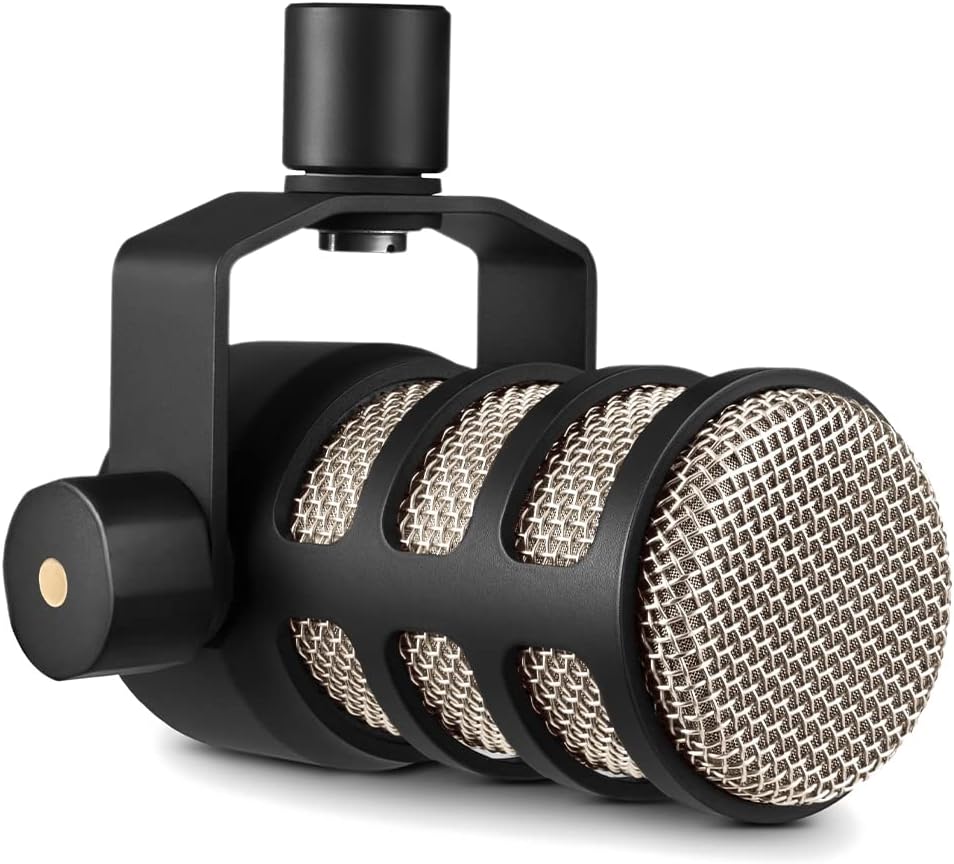
- Mid-range: mic (buy 2)Rode PodMic Cardioid Dynamic Broadcast Microphone (XLR)Internal pop filter and swing mount for untreated two-host rooms$50-$100Check price on Amazon
- Mid-range: interfaceMOTU M2LCD levels and clean converters when PodMic pairs need a stable spine$100-$200Check price on Amazon
- Mid-range: arm (buy 2)Elgato Wave Mic Arm LP (Low Profile)Sits lower than tall broadcast arms so mics stay out of webcam shots$100-$200Check price on Amazon
- Premium: mic (buy 2)Shure SM58-LC Cardioid Dynamic Vocal MicrophoneStage-proven cardioid pair for weekly co-hosted shows$100-$200Check price on Amazon
- Premium: interfaceSolid State Logic SSL 2+ MKIITwo headphone outs with independent mixes beat a splitter for two hosts$200-$500Check price on Amazon
- Premium: arm (buy 2)Rode PSA1+ Professional Studio Arm (Black)Spring-damped PSA1+ reach keeps both mics stable off the desk$100-$200Check price on Amazon
Find your match
Best for USB/XLR starter dynamics for two hosts
Best for Two XLR tracks on one laptop
Best for Clear the desk on a budget
Best for Speech-tuned XLR podcast dynamics
Best for Metered two-preamp desk interface
Best for Low-profile arms for camera framing
Best for Durable matched dynamics
Best for Dual headphone monitoring
Best for Quiet long-reach broadcast arms
Top picks at a glance

Budget: mic (buy 2)
Samson Q2U USB/XLR Dynamic Microphone
$50-$100
Check price on Amazon
Budget: interface
Focusrite Scarlett 2i2 (4th Gen)
$200-$500
Check price on Amazon
Budget: arm (buy 2)
InnoGear Mic Boom Arm (MU-PSA28)
Under $50
Check price on Amazon
Mid-range: mic (buy 2)
Rode PodMic Cardioid Dynamic Broadcast Microphone (XLR)
$50-$100
Check price on Amazon
Mid-range: interface
MOTU M2
$100-$200
Check price on Amazon
Mid-range: arm (buy 2)
Elgato Wave Mic Arm LP (Low Profile)
$100-$200
Check price on Amazon
Premium: mic (buy 2)
Shure SM58-LC Cardioid Dynamic Vocal Microphone
$100-$200
Check price on Amazon
Premium: interface
Solid State Logic SSL 2+ MKII
$200-$500
Check price on Amazon
Premium: arm (buy 2)
Rode PSA1+ Professional Studio Arm (Black)
$100-$200
Check price on Amazon
What to look for
How we chose: Each tier is a complete two-host desk: matched dynamic mics, a two-preamp interface, and boom arms. Budget prioritizes Samson Q2U flexibility plus Scarlett 2i2. Mid moves to PodMic speech tuning, MOTU metering, and Elgato low-profile arms. Premium adds SM58 durability, SSL dual headphone mixes, and Rode PSA1+ reach. Quantities assume two mics and two arms.
We judged on: Two dynamic mics confirmed on current Amazon US listings (buy two of the listed mic) · Two-input USB audio interface so both hosts record to one computer · Clamp-on boom arms that clear the desk (buy two) · Honest note when an interface has only one headphone jack · No fake hands-on; specs and buyer themes from listings and public reviews.
A two-host podcast needs two matched voices into one computer, not a pair of USB mics fighting for the same driver. This sits in the creator desk cluster next to mics, boom arms, and interfaces. This page builds that desk at three budgets: two dynamic mics, a two-input interface, and two boom arms so both hosts sit at a workable distance. Specs and prices come from current Amazon US listings and published buyer themes. Totals move with sales. Buy two of each mic and arm listed below.
This is not a camera-first creator kit (An $800 Creator Streaming Desk) and not an interface-only shortlist (Best Audio Interfaces for XLR Mics). It is the two-person desk buy order: mics, interface, arms.
Budget
Stop here if you need two separate tracks on one laptop for roughly four hundred thirty dollars and can live with one headphone jack on the interface. Prefer this when the show is still validating format and both hosts sit in a normal room.
The Samson Q2U is a handheld-style dynamic with USB-C and XLR. Buy two. Use XLR into the Scarlett for a shared DAW session so both voices land on separate tracks. USB mode is a fallback for solo check takes. Each pack includes a stand and cables, but desk boom arms still beat the included tripod for long sessions. Full mic context lives in Best XLR Dynamic Microphones Under $150 for Podcasting.
The Focusrite Scarlett 2i2 (4th Gen) is the two-preamp USB-C interface that makes a true two-mic session possible. Independent gain, 24-bit/192 kHz converters, and Auto Gain cover most dynamic mics without a Cloudlifter. It has one headphone output, so plan a splitter or one shared pair while recording and edit on closed-backs later. Skip the Scarlett Solo; that model only has one mic input. Deeper picks sit in Best Audio Interfaces for XLR Mics.
The InnoGear MU-PSA28 is a clamp-on broadcast-style arm at a budget street price. Buy two. It clears desk space better than a tripod and holds a Q2U without drama. Cable channels are basic. For arm comparisons see Best Microphone Boom Arms.
Rough tier total: about 430 dollars (two mics near 70 each, interface near 225, two arms near 32 each). Who should stop here: friends starting a show who want one computer, two XLR tracks, and boom arms without broadcast branding. Step up when you want podcast-tuned dynamics, a quieter arm, or a nicer front-panel headphone path.
Mid-range
Step up when budget audio works but you want broadcast-styled dynamics, a sturdier low-profile arm, and a meter-equipped interface. This tier still assumes two people at one desk in an untreated room.
The Rode PodMic is an XLR-only dynamic with an internal pop filter and swing mount. Buy two. It is tuned for speech, rejects more room noise than a handheld vocal mic when placed close, and pairs cleanly with modern interfaces that have enough gain. It is not USB; the PodMic USB is a different product covered in the Rode PodMic USB review.
The MOTU M2 keeps two mic preamps and adds a clear LCD metering face that helps both hosts see levels without opening a DAW meter bridge. USB-C bus power, ESS converters, and a straightforward monitor mix make it a strong mid desk spine. Like the Scarlett, expect one primary headphone path unless you add a small amp later.
The Elgato Wave Mic Arm LP sits lower over the desk than tall broadcast arms, which helps camera framing and keeps the mic out of a webcam shot. Buy two. It is pricier than InnoGear and feels more finished for a permanent two-host desk. Details and alternatives live in Best Microphone Boom Arms.
Rough tier total: about 520 dollars (two mics near 86 each, interface near 200, two arms near 110 each). Who should stop here: weekly shows that want PodMic speech tuning and cleaner arms without jumping to studio-brand mics. Step up when you want stage-proven dynamics, SSL-style monitoring, and Rode PSA1+ reach.
Premium
Step up when the show is a standing appointment and you want durable dynamics plus a monitoring-focused interface. This tier still uses dynamics for untreated rooms; it is not an SM7B plus Cloudlifter path.
The Shure SM58-LC is the classic cardioid dynamic. Buy two. It survives travel, rejects off-axis chatter well enough for two hosts at a table, and needs a clip on each boom arm (included adapter covers most stands). It is less broadcast-styled than a PodMic and may need a foam windscreen for close desk work. Same mic shortlist as Best XLR Dynamic Microphones Under $150.
The Solid State Logic SSL 2+ MKII is a two-in interface with Legacy 4K analog enhancement, dual headphone outputs with independent mixes, and MIDI I/O. Two headphone outs matter for two hosts who both want to monitor without a splitter. It costs more than Scarlett or MOTU and earns that gap when monitoring comfort is the bottleneck. Compare interfaces in Best Audio Interfaces for XLR Mics.
The Rode PSA1+ is the quiet, spring-damped broadcast arm most PodMic desks grow into. Buy two. Horizontal and vertical reach keep both mics off the desk surface so keyboard noise drops. Clamp and insert mounts are included. Arm roundup: Best Microphone Boom Arms.
Rough tier total: about 710 dollars (two mics near 109 each, interface near 250, two arms near 120 each). Who should stop here: co-hosted shows that record weekly and want dual headphone mixes plus arms that stay put. Skip this tier if PodMic plus MOTU already clears speech quality and you would rather spend on acoustic treatment.
Tier comparison
If the audio side is the weak link, The Best USB Microphones for Calls and Streaming in 2026 covers the mics worth buying at every budget.
Which Tier Should You Buy
Buy the budget kit if both hosts need separate tracks this month and the Scarlett single headphone jack is acceptable with a splitter. Move to mid-range when PodMic speech tuning and low-profile arms are worth about $90 more. Choose premium when dual headphone mixes on the SSL 2+ and PSA1+ arms are the desk foundation.
If the bottleneck is only the mic shortlist, start at Best XLR Dynamic Microphones Under $150 for Podcasting. If you need camera and light in the same buy order, use the creator streaming desk instead.
Frequently asked questions
- Why not two USB mics without an interface?
- Two USB mics often fight for exclusive access or force a messy aggregate device. A two-input interface records both voices as separate tracks in one DAW session, which is simpler to edit and level-match.
- Can a Scarlett Solo run a two-host show?
- No. Solo has one mic preamp. You need a two-input interface such as Scarlett 2i2, MOTU M2, or SSL 2+ for two XLR mics at once.
- Do these kits include headphones?
- No. Budget and mid interfaces usually have one headphone jack, so add closed-back headphones and a splitter if both hosts must monitor live. Premium SSL 2+ has two headphone outs.
- How is this different from the $750 to $1,000 creator streaming desk?
- That page buys camera, light, and capture gear. This page buys two mics, one two-input interface, and two boom arms for a co-hosted podcast without video gear.
- Should we buy condensers instead for a brighter sound?
- In untreated rooms, cardioid dynamics reject more noise and the other host. Condensers need quieter spaces and often phantom power. Start with dynamics unless the room is already treated.
- Do we need a Cloudlifter with these mics?
- Not for Q2U, PodMic, or SM58 into Scarlett 2i2, MOTU M2, or SSL 2+. Save inline gainers for quieter broadcast mics such as an SM7B, which is outside these tiers.