
How it works
Wake-on-LAN (WoL) keeps a wired network interface listening for a special Ethernet frame while the rest of the machine is in sleep or soft-off (ACPI S3/S5). That frame is the magic packet: typically a UDP broadcast (often port 7 or 9) whose payload starts with six FF bytes, then sixteen copies of the target NIC's MAC address. When the NIC recognizes its MAC in that pattern, it asserts a wake signal so the board powers the CPU and OS back up. The NIC still needs standby power from the PSU or board, a link light on the switch, and firmware that has WoL enabled.
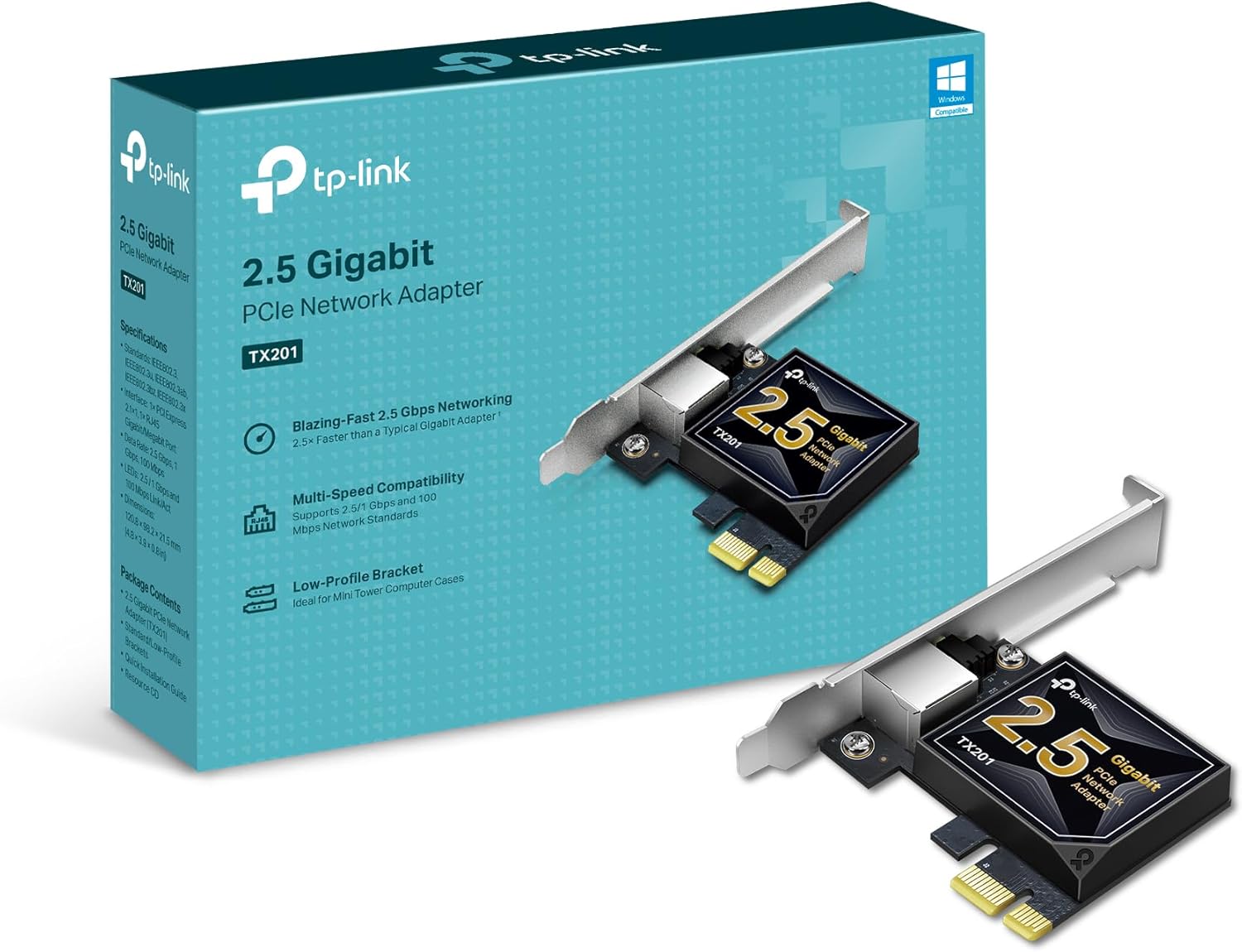
On a desktop or mini PC, you usually flip three layers: BIOS/UEFI (Wake on LAN / Wake on PCI-E), the OS NIC driver (Wake on Magic Packet), and sometimes Windows Fast Startup or Linux ethtool wol settings so soft-off still leaves the NIC armed. On a NAS, the vendor UI often exposes "Wake on LAN" under network or hardware, and the chassis must stay plugged into AC. Wireless WoL is a different, flaky story; home setups almost always mean a copper (or USB-Ethernet) link that stays up when the box is "off."
When it matters
It matters when you want a home-lab box powered down most of the day but reachable from a phone app, another PC, or a scheduled script. Homelab mini PCs running Proxmox, Plex clients, or a light always-available jump host are the classic case: sleep overnight, magic-packet them before you VPN in. A DiskStation or similar NAS that supports WoL can hibernate disks and still accept a wake from DSM's companion apps or a router script. Skip WoL when the machine is on Wi-Fi only, behind a switch that drops directed broadcasts, or when you need guaranteed boots after a full power cut (cold AC loss clears standby power until someone presses the button or a smart plug cycles).
Shopping traps: buying a USB Ethernet dongle that does not pass magic packets while the host is soft-off, leaving "Deep Sleep" or ERP modes enabled so the NIC loses standby power, and assuming Wi-Fi 6 alone can replace a wired wake path. Prefer a mini PC with a real RJ45 that documents WoL, or a USB-C 2.5GbE adapter known to keep link in S3/S5 on your OS. Managed switches that filter directed broadcasts can also silently drop magic packets across VLANs.
Related products
A low-power mini PC that documents Wake-on-LAN on its Ethernet port, a USB-C 2.5GbE adapter for laptops or boxes that need a wired wake path, and a 2-bay NAS whose DSM stack exposes WoL for scheduled or remote wake.
The Beelink Mini S13 Mini PC (Intel N150, 12GB/512GB) is a palm-size always-on candidate with a real Ethernet jack and BIOS/WOL options Beelink markets for home-server duty.
The Cable Matters USB C to 2.5Gb Ethernet Adapter adds a multi-gig RJ45 to USB-C hosts when the built-in radio is useless for magic packets and you want a wired wake path.
The Synology DiskStation DS225+ 2-Bay NAS (Diskless) is the polished DSM path when the box you want to wake is a home NAS with 2.5GbE and official Wake on LAN toggles.
Read next
For the multi-gig link those magic packets ride, see 2.5GbE. File shares you wake a NAS to serve are covered under SMB. Broader appliance shopping starts at What Is a NAS?. If the wake target is a small always-on host, the Mac Mini home-server write-up at Mac Mini M4 home server guide is a useful pattern even when you pick a Beelink-class box instead.